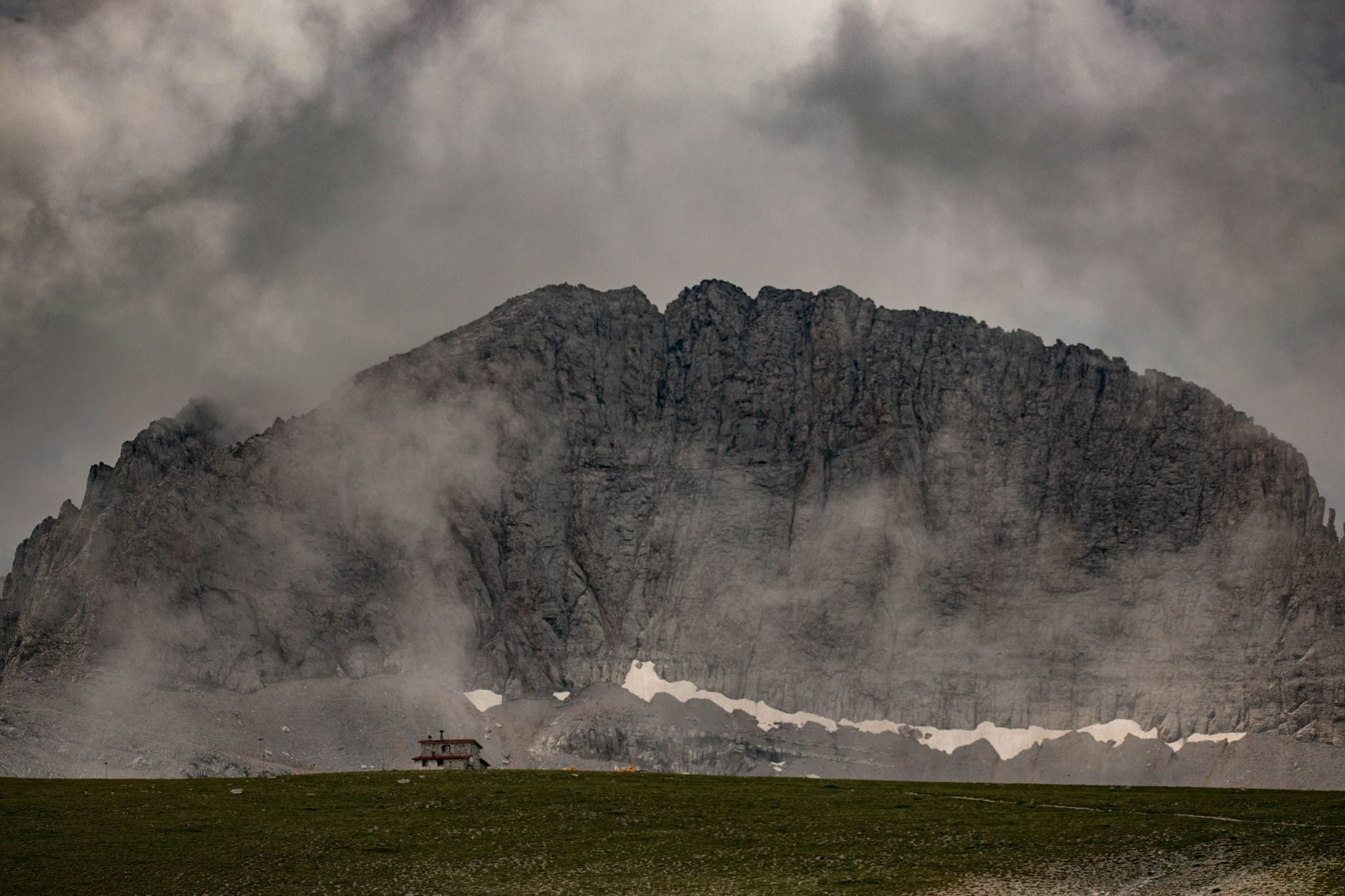
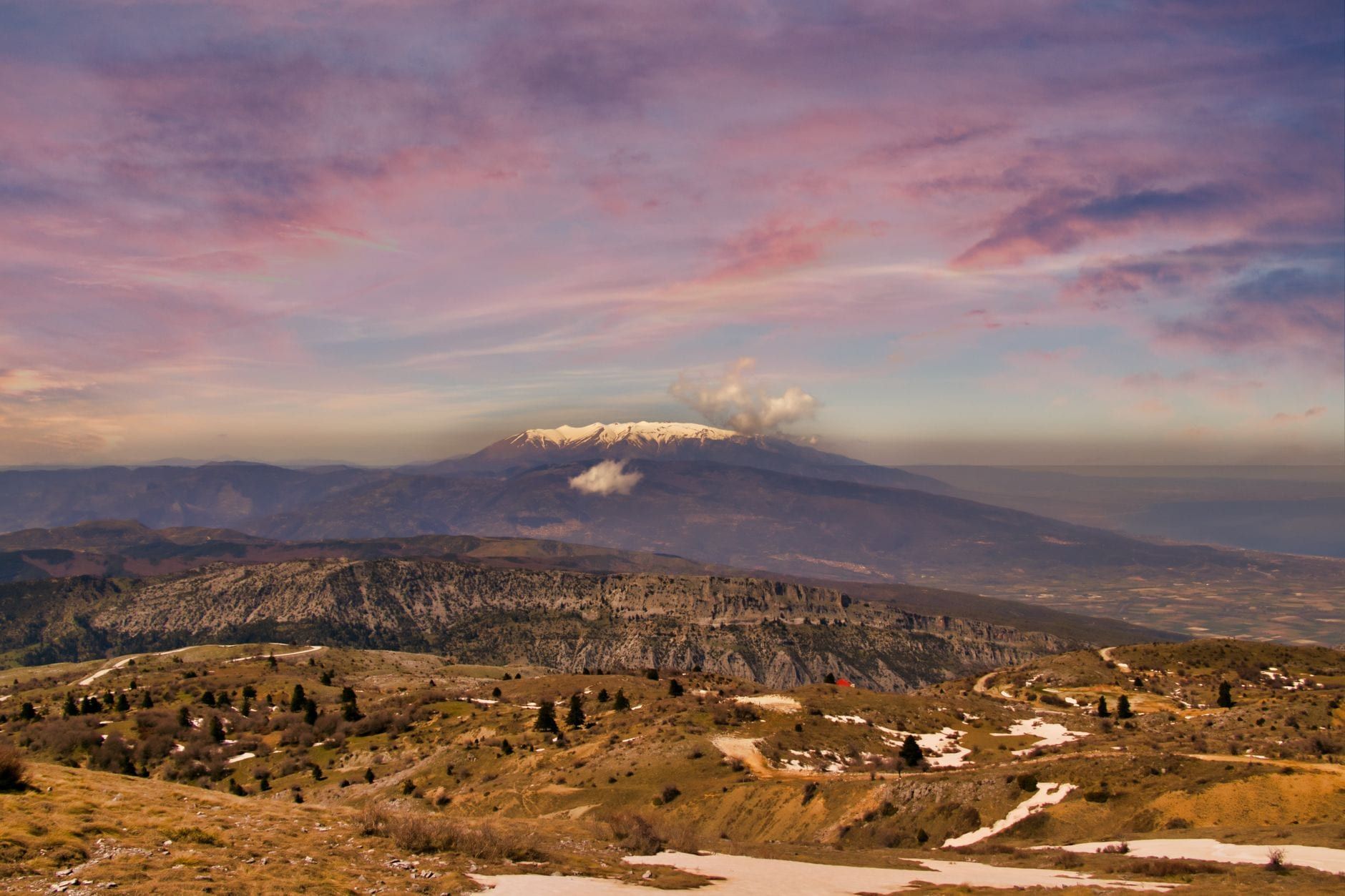
Yes, you can see Mount Olympus on a day trip from Thessaloniki — but only its lower half. Litochoro, the Dion archaeological park, the Enipeas Gorge and the road-end trailhead at Prionia all fit inside a 10-to-12-hour day from the city. The summit of Mytikas, at 2,918 m the highest point in Greece, does not. That single distinction shapes everything else in this guide.
The mountain sits about 92 km southwest of Thessaloniki, on the border of Macedonia and Thessaly. In 1938 it became Greece's first national park, and its slopes hold roughly 1,700 plant species — about a quarter of all Greek flora — across 52 peaks and several deep gorges. You'll arrive fast. What you do once you arrive is the part that needs planning.
Mount Olympus at a Glance: Can You Really Do It in a Day?
For the foothills, yes, comfortably. A 10-hour day gives you two of the four hubs — say Dion in the morning and a short gorge walk after lunch in Litochoro — with time to spare. Add a third stop and the day gets tight but stays doable. What no day trip gives you is the summit: from Prionia, the highest point you can drive to, it's still around 1,000 m of climbing just to reach the first refuge at 2,100 m, and the final scramble to Mytikas is exposed rock that has no place in a same-day plan from Thessaloniki.
So pick your transport by what kind of traveller you are. A guided day tour from Thessaloniki suits anyone who wants zero logistics — an 8:00 pickup, Dion entry and a short guided walk, back in the city by evening. A rental car is the most flexible: you set the pace, and you're the only option that can reach Prionia without a taxi. The train is fastest on paper but lands you 6 km from Litochoro. The bus is the cheapest and the slowest. Each is covered in detail below, with fares and catches.
One more thing before the logistics: "Mount Olympus" is not one destination. The next section maps the four places people actually mean when they say it.
First, Know Where You're Going: Litochoro, Dion, Prionia or the Summit
Most first-time visitors lose an hour or two to this mistake: they book transport to "Olympus" without realising their four candidate destinations sit up to 28 km apart. Here's the geography in one pass.
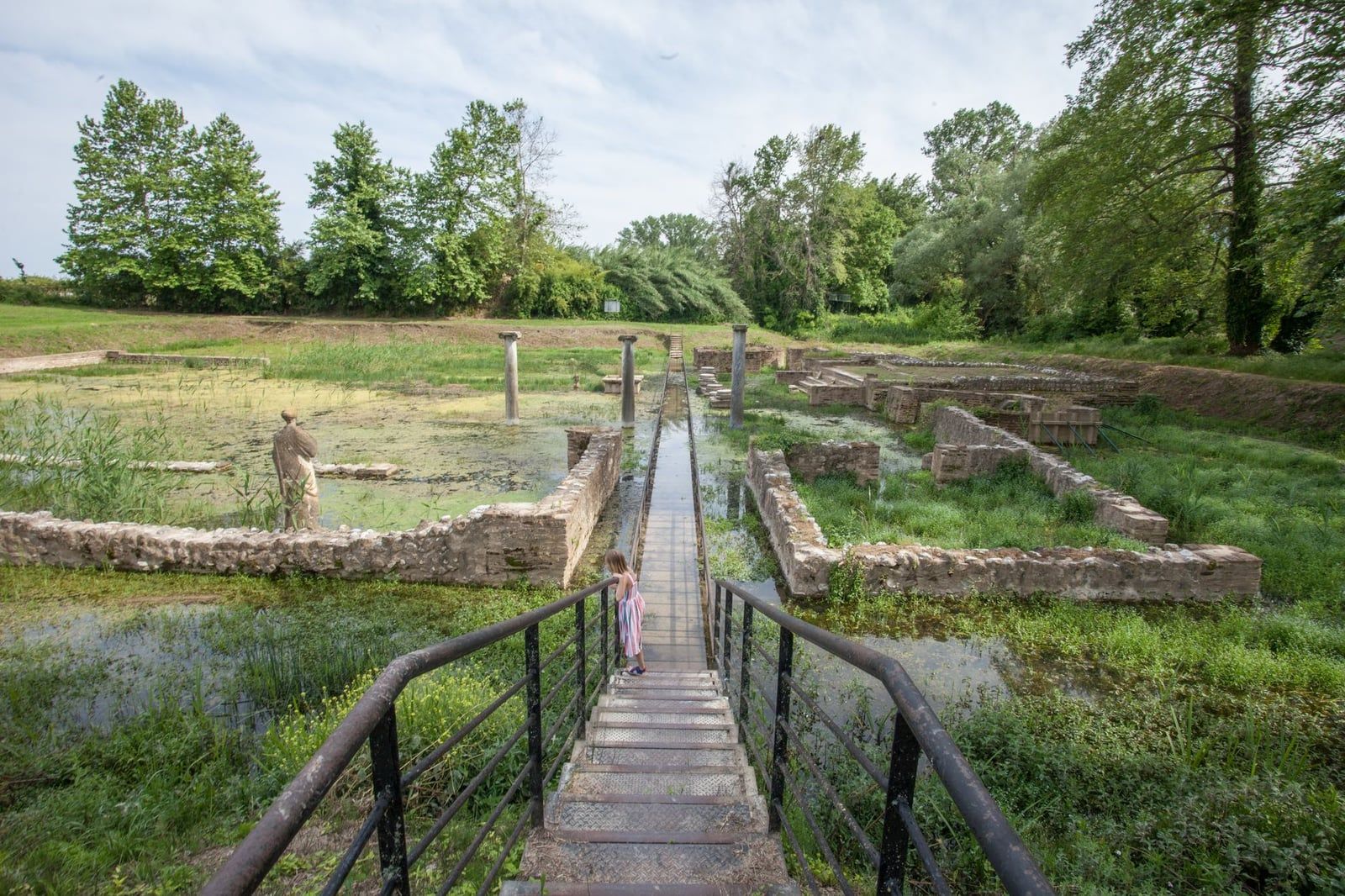
Litochoro is the gateway town, a stone village of tavernas and hiking shops at the mountain's foot. Everything starts here — trailheads, taxis to Prionia, the national park Information Center, lunch. Dion, about 10 km north, is the opposite: a sacred city of the ancient Macedonians where Zeus was worshipped, now an archaeological park with sanctuaries, a Hellenistic theatre and mosaics. It's a walking-in-ruins stop, not a trailhead — you could spend a morning there and never see the mountain up close.
Prionia is the road end: an 18 km mountain road climbs from Litochoro to about 1,100 m, where a parking area, a seasonal restaurant and the E4 trail begin. From there the trail climbs 4.5 km — roughly 3 hours for most people — to Spilios Agapitos Refuge (Refuge A) at 2,100 m. The Enipeas Gorge runs between Litochoro and Prionia, a river corridor of waterfalls, pools and wooden footbridges that doubles as the lower half of that same E4 route. Day-trippers walk part of it and turn back; the full gorge-to-Prionia traverse is a hike of several hours on its own.
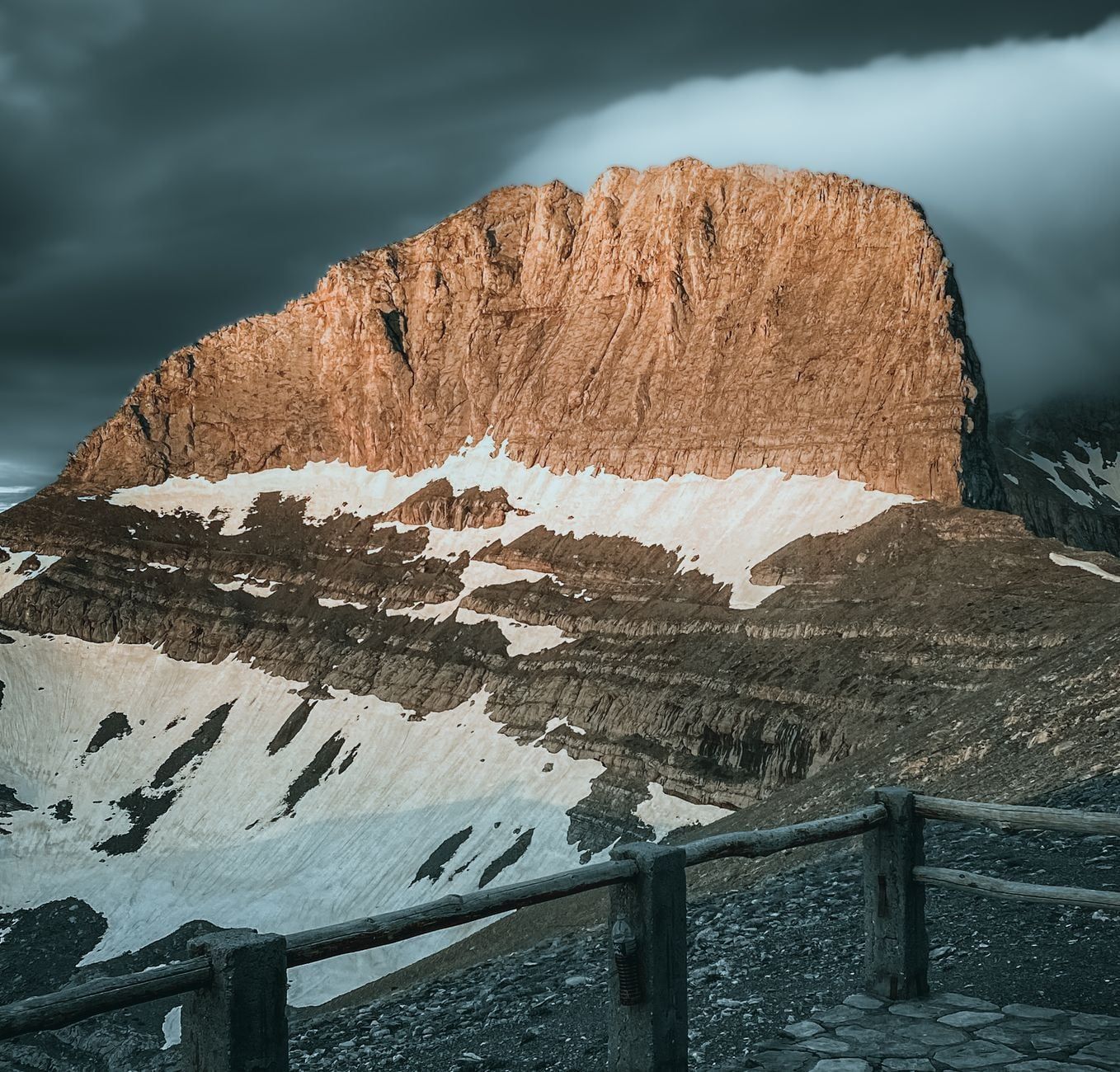
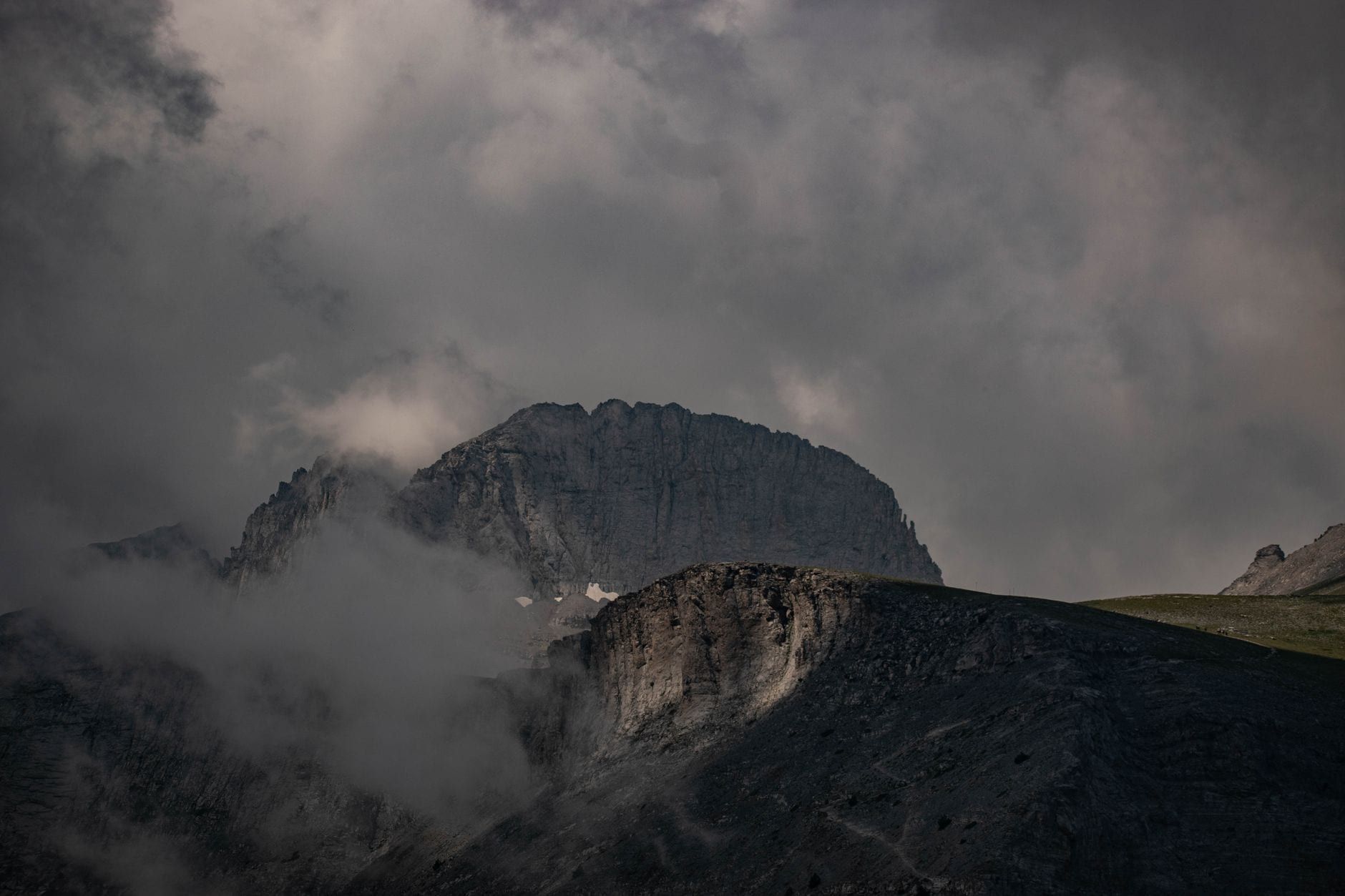
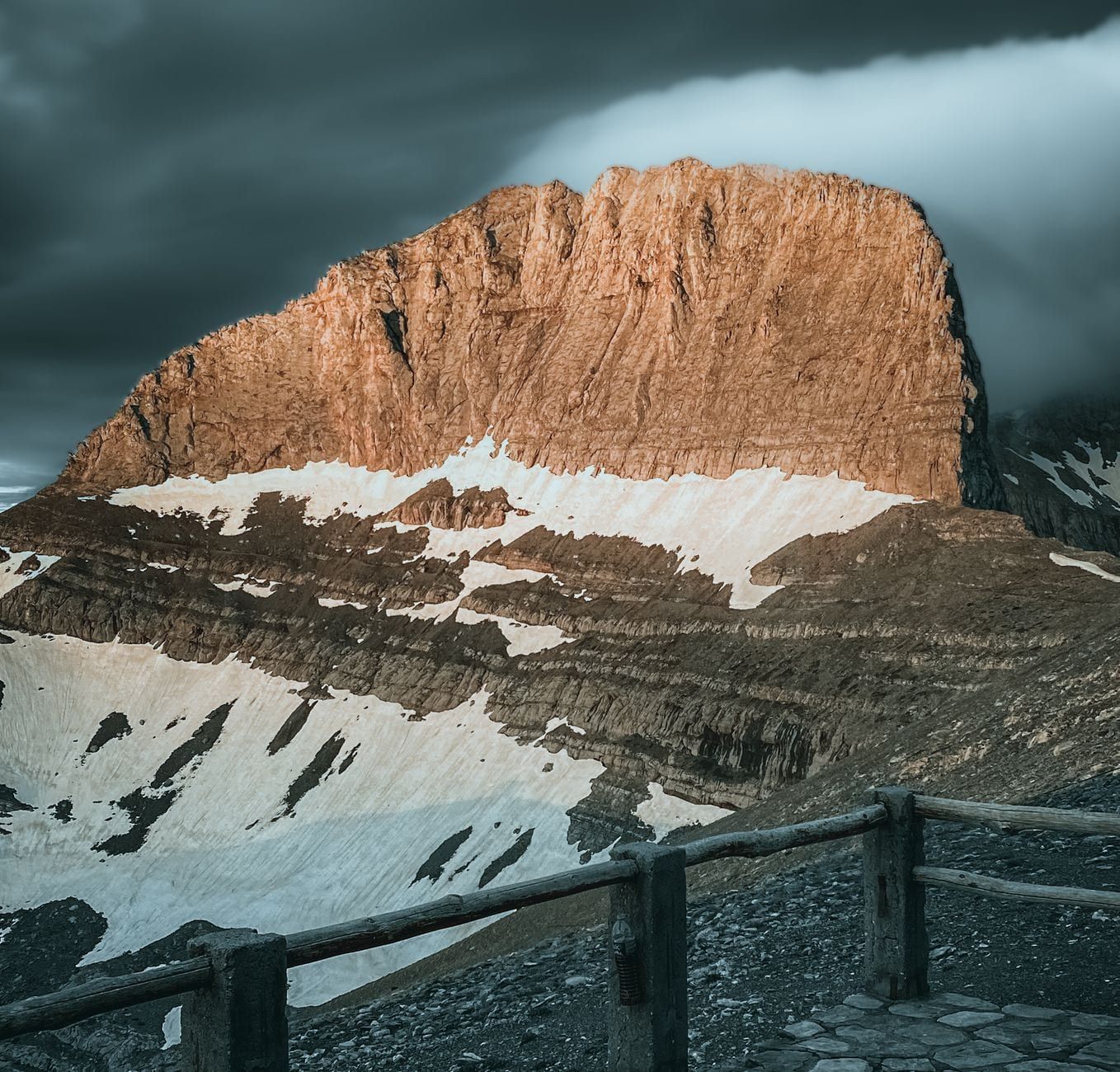
And the summit? Mytikas, at 2,918 m, sits hours above all of these. The mountain holds more than 80 marked routes of very different difficulty, and the classic summit route is a two-day affair with a night at Refuge A. If it's the peak you're after, read the summit section below — a background read on the mountain and the park helps set expectations before you commit.
Getting There Without a Tour: Car, Train, Bus or Private Transfer
All four options leave from Thessaloniki and all four work; they differ in cost, speed and how much of your day the transfer eats. Full route and transport detail for reaching Mount Olympus lives on its own page — here's what matters for a day trip.
By car
Take the A1/E75 south towards Katerini and Athens, exit for Dion–Litochoro, and you're in the village about 90 minutes after leaving the city — faster outside rush hour. Tolls average around €7 each way, so keep some change or a contactless card. Rentals in Thessaloniki run €35–60 per day. The payoff is Prionia: you're the only transport option that can drive the 18 km mountain road at will, and in summer the parking lot up there fills on weekends by late morning. Winter is the caveat — snow and ice can affect that road for months, so check conditions before relying on it.
By train
Trains leave Thessaloniki's New Railway Station roughly every hour along the coastal line and reach Litochoro in about 1 h 10 min for €9 one way — the fastest seat-on-paper option. The catch is the station itself: it sits 6 km east of the village, down by the sea, and there's no regular connecting bus. A taxi covers the hop in about 5 minutes for roughly €9. That's fine if you pre-book one; relying on a taxi waiting at a small rural station is how day trips go wrong. Book the return leg too.
By bus
From the KTEL Macedonia intercity station, the KTEL Pierias bus runs to Katerini — €7.50 on the official tariff, 50 minutes, frequent daily departures. At Katerini you change to the Litochoro service, about 25 minutes more, which drops you in the village centre. All-in it costs around €10 and takes about 2 h 15 min door to door. Buy tickets at the station; older guides still quote fares near €9.30 for the first leg, so re-check at booking. To reach the station from the city, city bus 12 costs about €1; from the airport, the airport bus (€0.90) or a taxi at €20–25 gets you to the railway station.
Private transfer
A private transfer from Thessaloniki (or the airport) to Litochoro starts around €110. That's poor value for two adults on a budget and good value for a family of four landing at the airport, or for anyone on a tight schedule who wants the driver to wait or continue up to Prionia. Confirm the price includes waiting time before you book.
| Option | Time (one way) | Approx. cost | The catch |
|---|---|---|---|
| Car | 75–100 min | €35–60/day rental + ~€7 tolls | Parking at Prionia fills in summer |
| Train + taxi | ~1 h 10 min + transfer | €9 + ~€9 taxi | Station is 6 km from the village |
| Bus via Katerini | ~2 h 15 min | ~€10 | Change at Katerini; slowest |
| Private transfer | ~1 h 30 min | from ~€110 | Price for 1–2 people; fine for groups |
Organised Day Tours: What You Get for Your Money
If the logistics above read like a chore, a tour solves them. The standard coach day combines Dion and Olympus for about $56–58 per person: pickup around 8:00 from central Thessaloniki (Aristotelous Square or Egnatia Street), roughly 10 hours door to door, an English-speaking attendant, and Dion entry included. The shape of the day is consistent across operators — an easy 75-minute walk on the Agia Kori trail ending at a waterfall where you can swim, about 1.5 hours at Dion, a stop at the national park Information Center, and lunch at the Stavros mountain refuge at about 960 m, with meals usually extra.
By-train group tours start from around €100 for about 9 hours, pairing Dion with the mountain and building the rail journey into the day. Private tours cost more and buy flexibility — combining Dion, Litochoro, Prionia and a short walk on your own schedule — and for groups of three or four they can approach the per-person cost of the coach option. One caution when comparing Mount Olympus tours: some advertise "Olympus" while spending most of the day at low-altitude stops. Read the itinerary, check which trail you'll actually walk, and confirm the guide is a certified mountain professional if any real hiking is promised. And check whether the advertised duration includes the return drive — a "10-hour" tour is sometimes 8 hours on the ground.
Who tours suit: car-free travellers, families who'd rather not shepherd children through two bus changes, and anyone on a short city break who'd rather buy a day than plan one.
Three Day-Trip Itineraries That Actually Work
These three plans use the real transport times above. Pick the one that matches how you're travelling, then book whatever needs booking — taxis, refuge beds, tour seats — before you leave Thessaloniki.
Itinerary A — Classic first-timer (car or tour)
Dion first, in the cooler morning: give the park at least 90 minutes, more if the museum tempts. Drive the 10 km to Litochoro for lunch in the village, then walk 30–45 minutes into the lower Enipeas Gorge on the E4 from the town edge and return the same way. Leave by late afternoon and you're back in Thessaloniki before the evening traffic thickens. This is the plan that works with children — ruins, lunch and a river, with nothing technical and no long transfers.
Itinerary B — Nature day with a car
Skip Dion. Drive up to Prionia early — the 18 km road takes about 30 minutes — and walk the forest trail toward Spilios Agapitos Refuge for an hour or two before turning back. You don't need to reach the refuge; the beech and pine forest and the temperature drop at 1,100 m are the point. On the way down, stop at the Old Monastery of Agios Dionysios and the small cave of Saint Dionysios beside it, then have a late lunch in Litochoro. Carrying at least 2 litres of water per person applies to this walk too. If you'd rather have someone else pace the day, guided hiking tours on Olympus cover similar ground.
Itinerary C — Car-free day
Take an early train — services run roughly hourly, from around 5:35 in the morning to about 20:40 at night, though you must re-verify the current timetable on Hellenic Train before travelling — or the bus via Katerini. Your pre-booked taxi meets you at Litochoro station and takes you into the village. Visit the Information Center (open daily 09:00–16:00), walk part of the lower gorge, have lunch, and be back at the station in time for your pre-booked return taxi. The single most important step happens in Thessaloniki that morning: check the last return bus or train and set your turnaround time on the gorge walk accordingly. A gorge out-and-back without a fixed turn-back point is the classic way to miss it.
What to Do on the Mountain: Dion, Litochoro, the Enipeas Gorge and a Waterfall Swim
Here's what each stop actually delivers, and how long to give it.
Dion Archaeological Park & Museum
A sacred city dedicated to Zeus at the mountain's foot, where King Archelaus staged nine days of games in the god's honour around 400 BC, flourishing for the next thousand years until the 5th century AD. You walk among sanctuaries, a Hellenistic theatre, Roman baths and mosaics; the adjacent museum displays the finds. Entry is €10 full, €5 reduced, with summer hours of 08:00–20:00 Wednesday to Monday — it's closed Tuesdays, and winter hours run 08:30–15:30 from November to mid-April. The ground is uneven, so strollers and wheelchairs struggle; the museum setting is the easier option for limited mobility. Give it 90 minutes minimum.
For current opening hours and entry fees across the Olympus area, check the official listing before you build the day around a visit.
Litochoro
The village is your base camp: tavernas, coffee, hiking shops for last-minute supplies, and the Olympus National Park Information Center, which is worth 20 minutes for its maps and trail advice. Its 09:00–16:00 opening is generous but not unlimited — if the center anchors your day, time lunch around it.
Enipeas Gorge
The classic half-day walk: shady forest, waterfalls, natural pools and wooden footbridges along the Enipeas river, on the E4. Day-trippers should walk only part of the lower gorge and return the same way — the full Litochoro-to-Prionia traverse is a hike of several hours and belongs to overnighters. Summer brings swimmers cooling off in the pools below the falls. More route ideas are in the guide to Mount Olympus hikes.
Agia Kori waterfall
A roughly 75-minute easy trail ending at a waterfall with a pool — the swim stop on most organised tours and a fine DIY alternative if you're based in Litochoro. Bring swimwear and a towel. The water is cold, even in July; that's part of the appeal.
Prionia and the Stavros Refuge
Prionia, at 1,100 m, is the highest point reachable by road: parking, a small seasonal restaurant and the trailhead, with noticeably cooler air than the coast below — carry an extra layer even when Thessaloniki is warm. Partway down the road, the Stavros refuge at about 960 m serves hearty local dishes and Greek sweets with views across the massif; it's reachable by car, not only on tours, and makes a good lunch stop on a driving day.
Can You Climb Mytikas in a Day? The Honest Answer
Not from Thessaloniki, no. Here's the arithmetic. From Prionia it's about 1,000 m of ascent over 4.5 km — roughly 3 hours — just to reach Spilios Agapitos Refuge at 2,100 m, with Mytikas still 800 m above that. Fit hikers with a dawn start can complete the full climb from Prionia as a 10-to-12-hour round trip, but that only works if you're already sleeping near the mountain, not 92 km away in Thessaloniki. From the city, the day trip version is Prionia itself, or an out-and-back partway toward the refuge with a very early start.
The final section matters too. Skala and Skolio are hiking summits; Mytikas is not. The last stretch is an exposed scramble over smooth, loose rock — the hardest part of the climb, and where falls happen. Don't follow other hikers upward past Skala assuming the route stays the same. The realistic pattern is a two-day trip: overnight in Litochoro or at Refuge A (110 beds, €18 per bed, book well ahead for July and August), summit on day two, ideally with a certified guide if you haven't scrambled before. The full plan is in the climbing Mount Olympus guide.
Season: June to early October is the reliable window. Refuge A operates from mid-May to late October; before and after, snow affects the upper mountain and the classic ascent is mountaineering, not hiking.
Best Time to Go, Mountain Weather and What to Pack
Split the calendar by altitude, because the mountain and the coast are different countries. Spring brings green slopes and flowing waterfalls, but snow can linger high even when Litochoro feels warm — never read town weather as trail conditions. Summer is reliable for higher walking but hot at low altitude: start early, and carry at least 2 litres of water per person for the Prionia–Refuge A ascent. July and August also breed sudden afternoon thunderstorms, so watch cloud building over the massif and be ready to turn back. Autumn has the best walking weather of the year and quickly shortening days — confirm refuge and transport seasons before committing. Winter means foothills only: Litochoro and Dion. The mountain road and the high routes are snow-and-ice terrain for months.
Whatever the season, check a mountain-specific forecast rather than the Litochoro or Katerini one; the temperature at Prionia can be far below the coast on the same afternoon. Packing, compressed: water, food, sun protection, a warm and a waterproof layer, a charged phone plus power bank, offline maps, basic first aid and proper footwear. For urgent assistance anywhere in Greece, call 112 — it works on any phone, even without your own SIM's signal. Park rules are enforced too: no fires, no plant-picking, stay on marked trails, and carry your rubbish back down.
What the Day Trip Costs: DIY vs Tour Compared
Per-person maths for a full day, including the €10 Dion entry where it applies. Meal prices vary, so add lunch (a refuge taverna meal and a drink runs what you'd pay in any Greek village) on top of every row.
| Option | Typical spend pp | When it wins |
|---|---|---|
| Bus via Katerini | ~€20 return + €10 Dion | Solo travellers on a budget; slowest day |
| Train + station taxis | €18 fare + ~€18 taxis | Fast public-transport day, if taxis are pre-booked |
| Rental car (2–4 sharing) | €15–30 car + €7–14 tolls + fuel + €10 Dion | Flexibility; the only way to reach Prionia independently |
| Private transfer | from ~€110 split | Families, airport-arrival days, tight schedules |
| Coach tour | ~$56–58 | Zero logistics; Dion entry usually included, lunch extra |
| By-train tour | from ~€100 | Guided day with the rail journey built in |
The verdict: four people in one rental car is the cheapest day on the mountain; a solo traveller on a budget takes the bus; anyone who'd rather not think about timetables takes the coach tour. The costs competitors forget are the small ones — the station taxis, refuge lunch, museum add-ons, and Prionia parking. None of them will ruin the day, but they'll add €20–30 to it.
Frequently Asked Questions
How far is Mount Olympus from Thessaloniki?
About 92 km to Litochoro, the main gateway town. The drive takes roughly 75–100 minutes on the A1/E75; the train covers it in about 1 h 10 min.
Can you visit Mount Olympus as a day trip from Thessaloniki?
Yes, for the foothills — Litochoro, Dion, the Enipeas Gorge and Prionia fit in a full 10-to-12-hour day. The Mytikas summit is a separate, multi-day trip that needs a night in Litochoro or a mountain refuge.
Is there a direct bus from Thessaloniki to Mount Olympus?
No. Take the KTEL bus from the Macedonia station to Katerini (€7.50, about 50 minutes), then change to the Katerini–Litochoro service (about 25 minutes). Total cost is around €10 and the journey takes about 2 h 15 min.
How do you get from Litochoro train station to the village?
The station sits about 6 km east of Litochoro, next to the sea, with no regular connecting bus. A taxi costs roughly €9 and takes 5 minutes — pre-book one for both directions rather than counting on a taxi waiting there.
Can you climb Mytikas in one day from Thessaloniki?
Not realistically. It's about 1,000 m of ascent from Prionia just to reach Refuge A at 2,100 m, and the final section to Mytikas is an exposed scramble. Even hikers starting at Prionia treat the full climb as a 10–12-hour day, so from Thessaloniki the standard plan is two days with a refuge night, within the June-to-early-October season.
How much does a day trip to Mount Olympus from Thessaloniki cost?
Roughly: €20 return by bus; €18 by train plus about €18 in station taxis; €35–60 for a rental car plus tolls and fuel; or about $56–58 for a coach tour including Dion entry (€10 if you go independently, €5 reduced).
What is the best time of year for a Mount Olympus day trip?
June to early October for the higher trails, with September offering mild weather and fewer hikers. Spring and autumn suit Dion and lower gorge walks, and in winter stick to Litochoro and Dion — snow and ice affect the mountain road and high routes for months.
Can you swim on a Mount Olympus day trip?
Yes. The Agia Kori waterfall and the pools of the Enipeas springs are popular swim stops on tours and independent walks alike. Bring swimwear and a towel — the water stays cold even in summer.