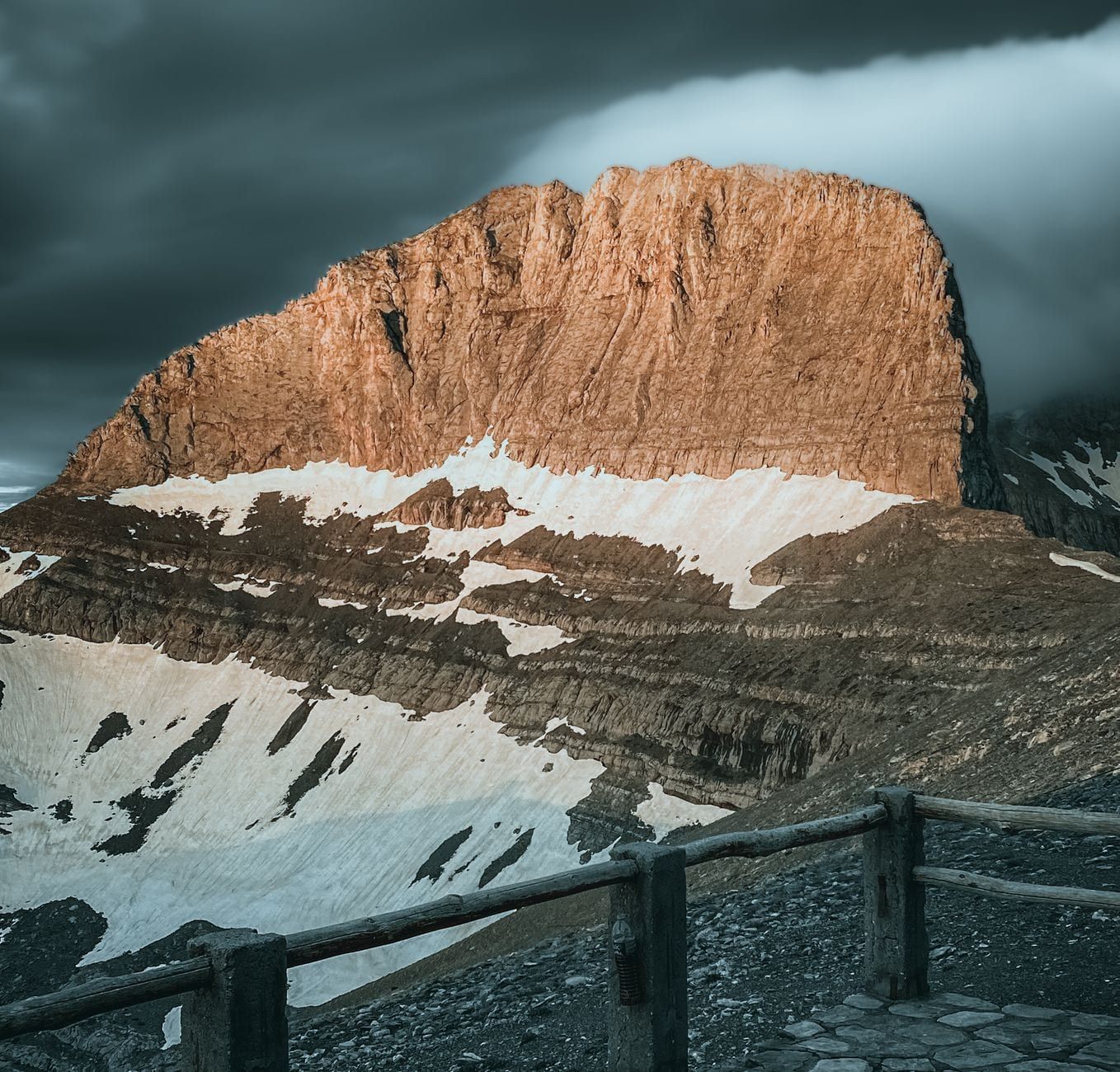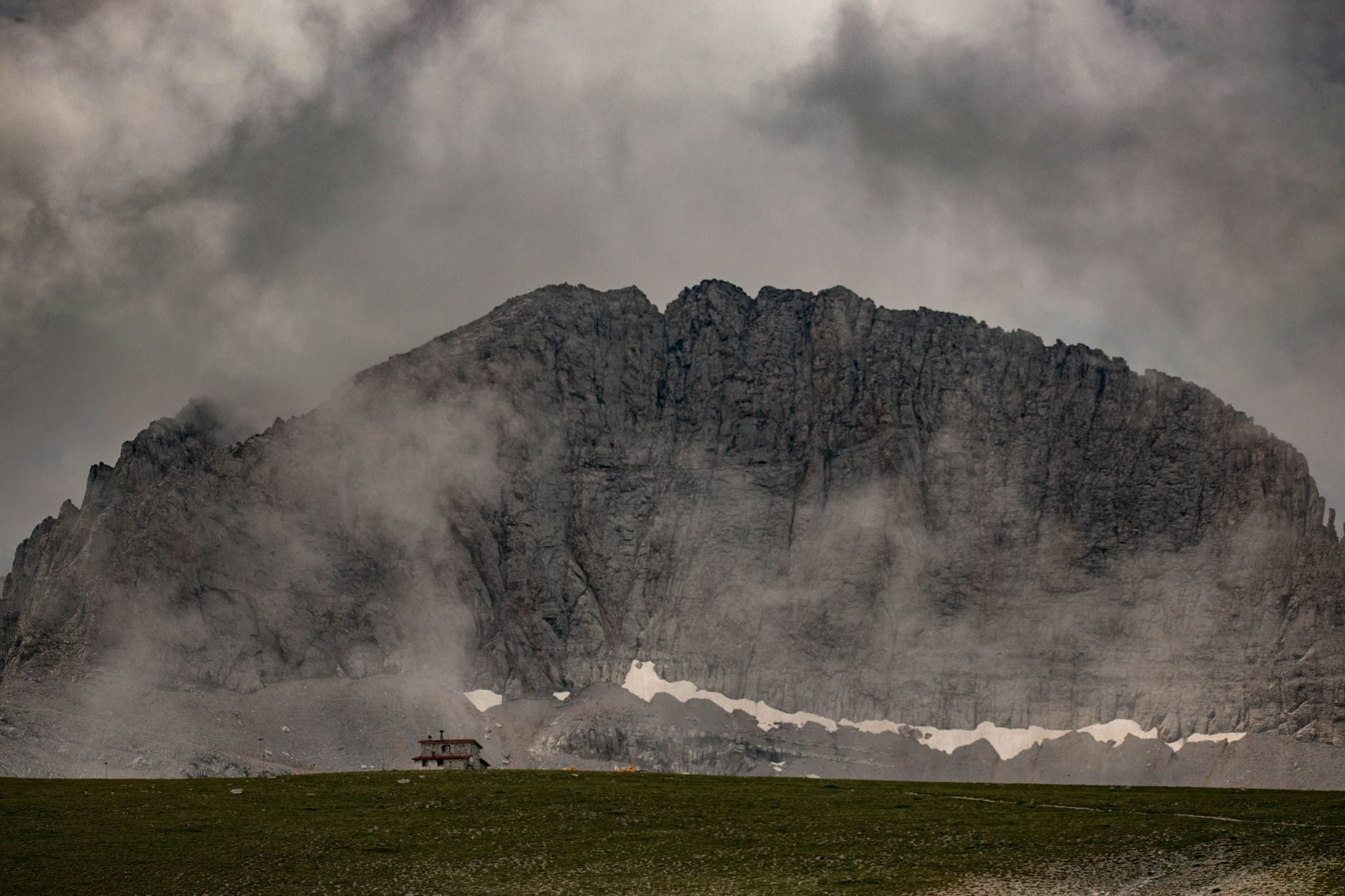
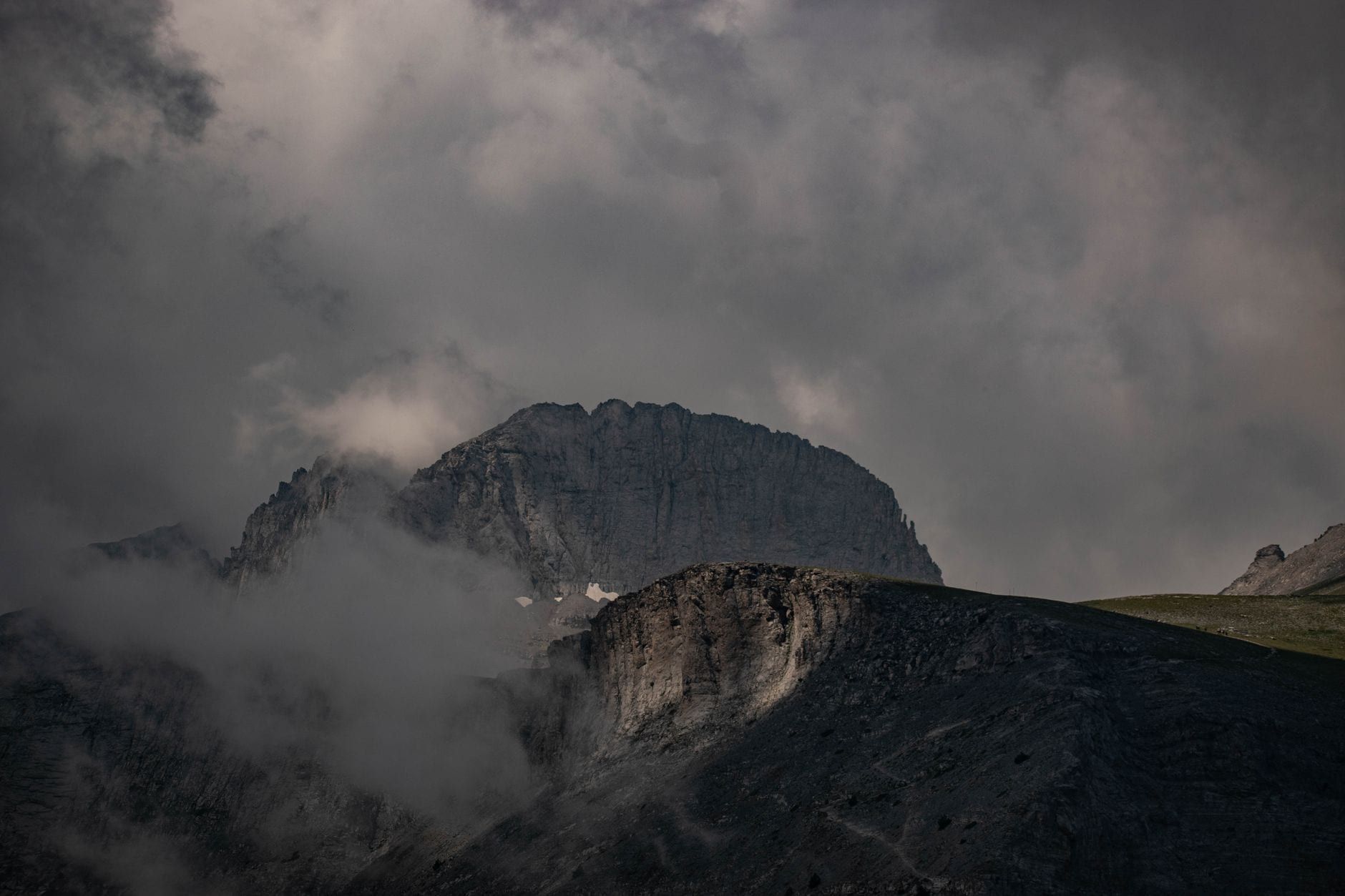
Climbing Mount Olympus takes two days, one night in a mountain refuge, and roughly seven hours of walking from the Prionia trailhead to the highest point in Greece. Mytikas, the tallest of the massif's 52 peaks, stands at 2,917 m, and the last stretch to it is a hands-on rock scramble — the only technical moment on an otherwise non-technical mountain. About 10,000 people attempt the climb each year, and most stop at Skala or Skolio without ever touching the scramble.
This guide covers the whole decision: how hard it really is, which route and summit to pick, where to sleep, what to pack, and what it costs. There are no permits and no entrance fee — just a train, a taxi and a very long walk. If you want company on the mountain, our guided Olympus hikes handle the scramble and the logistics for you.
Mount Olympus at a Glance
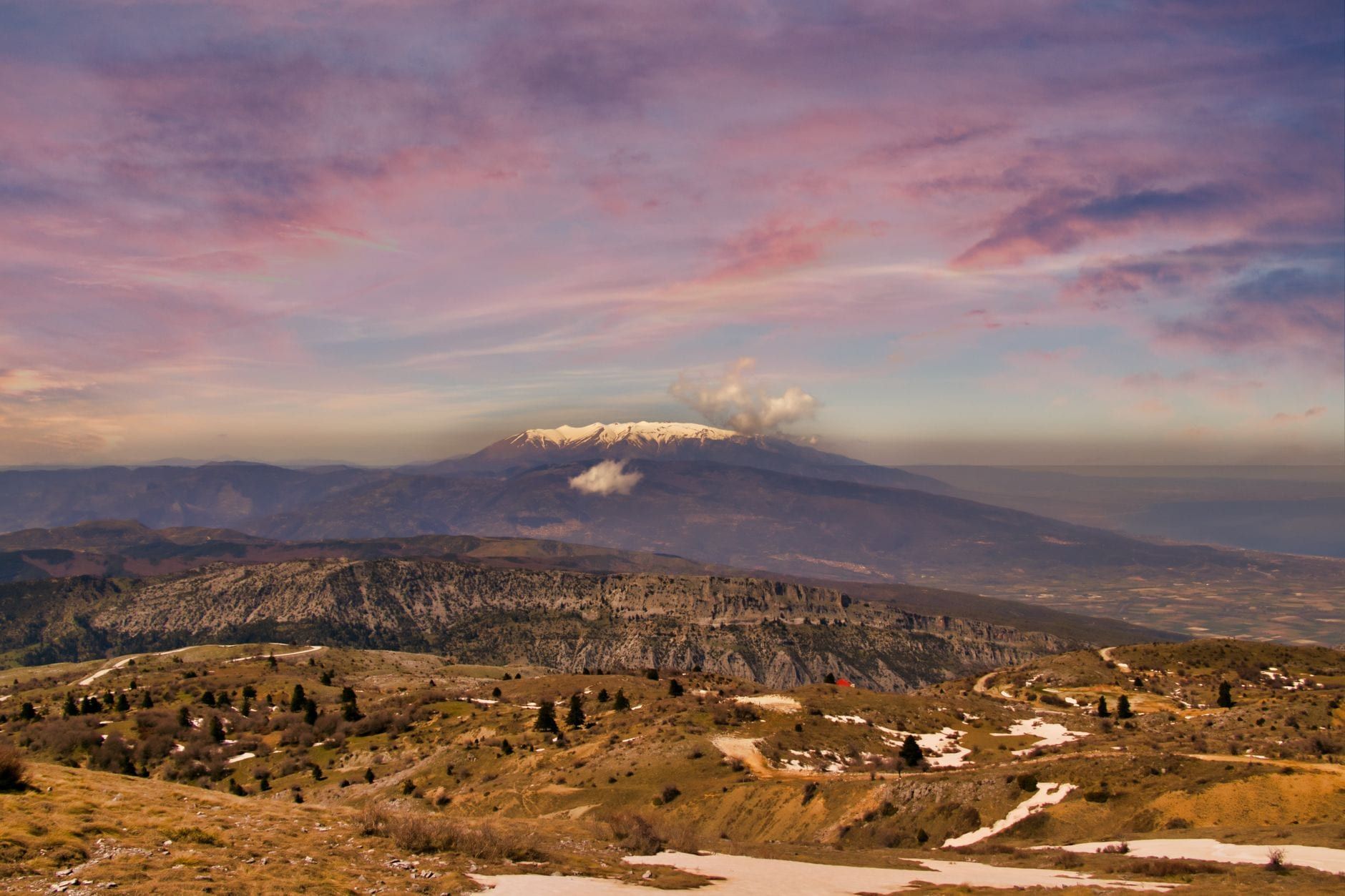
Olympus rises on the border between Thessaly and Macedonia in northern Greece, about 80 km southwest of Thessaloniki, with the town of Litochoro at its base. The massif has three famous summits — Mytikas (2,917 m), Skolio (2,911 m) and Stefani (2,909 m) — and 52 peaks in total. Almost everything you need to plan the climb fits in a short list.
- Standard plan: 2 days, 1 night in a refuge, starting at Prionia (1,100 m).
- Difficulty: a long, steep hike with one Class III scramble at the end.
- Season: June to October; refuges open roughly mid-May to late October.
- Costs: no fees or permits; you pay only for refuges, food and transport.
- Summit: Mytikas is the true top; Skala and Skolio are the walkable alternatives.
- Camping: allowed only in designated areas near the refuges, not freely on the mountain.
The mountain sits inside Olympus National Park, so the climb doubles as a walk through protected forest and alpine terrain. Lower gorge walks and shorter trails are covered separately in our guide to Mount Olympus hikes if a summit attempt isn't your goal.
Why Climb Mount Olympus?
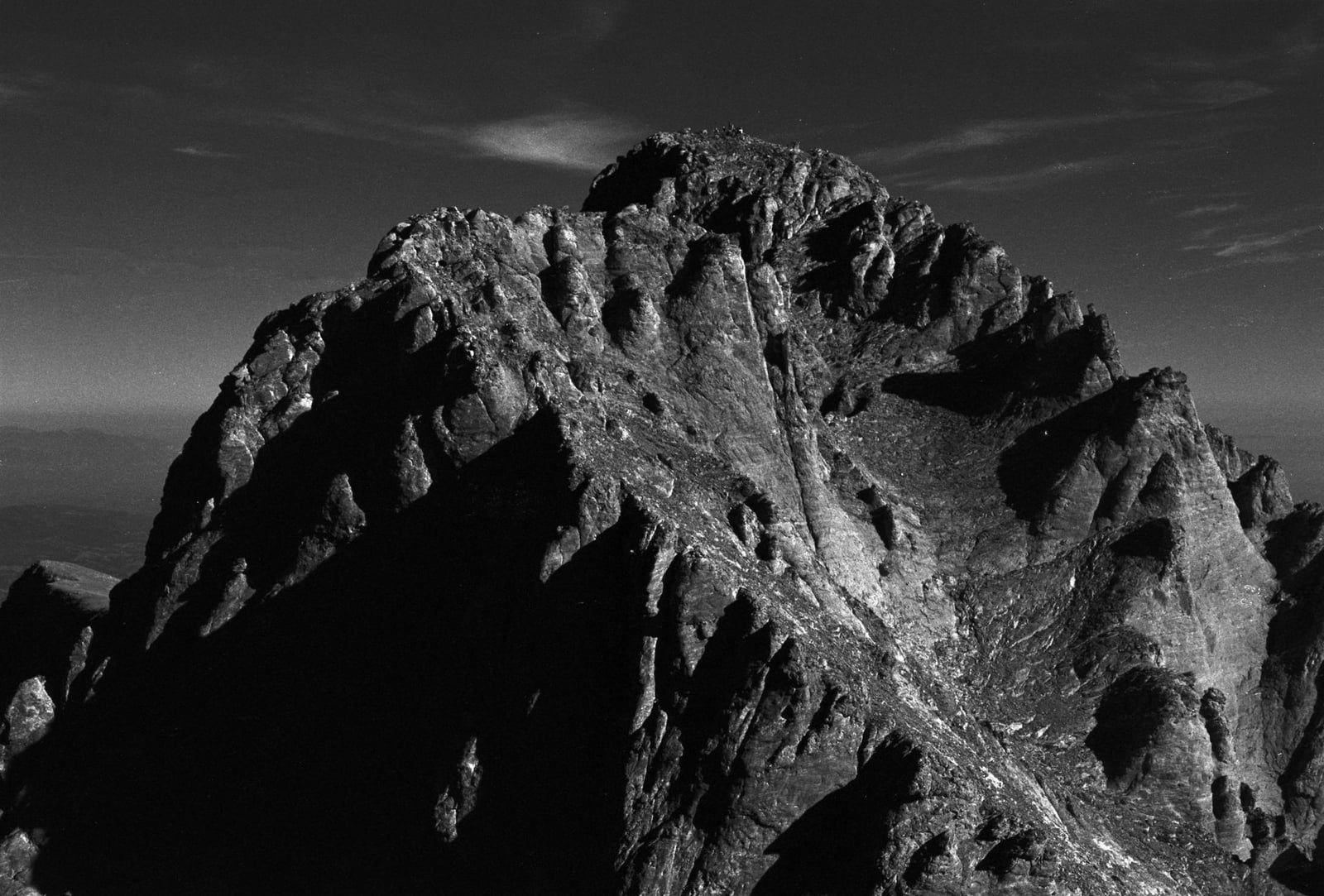
Olympus is the home of the twelve Olympian gods. The ancients revered Stefani — not Mytikas — as the Throne of Zeus, and Homer described the mountain's gorges as its mysterious folds; the Enipeas Gorge still cuts through the massif below the trails. Climbing here means walking the same ground Greek mythology placed at the centre of the universe, which is a strange and good feeling at 2,500 m.
The credentials are as natural as they are cultural. Olympus became Greece's first national park in 1938, protecting about 24,000 hectares from the Aegean shore to the summit. UNESCO made it a Biosphere Reserve in 1981 and added it to the World Heritage List as a mixed site in July 2026. Its slopes hold around 1,700 plant species — roughly a quarter of all Greek flora — including rarities like the endemic Jankaea heldreichii, and chamois and golden eagles live above the treeline.
The first recorded ascent of Mytikas came on 2 August 1913, when the Swiss climbers Frédéric Boissonnas and Daniel Baud-Bovy reached the top guided by Christos Kakkalos, a hunter from Litochoro. Locals had long considered the peak unclimbable. Kakkalos went on to become the mountain's first official guide in 1932 and kept at it until his death in 1976.
When to Climb Mount Olympus
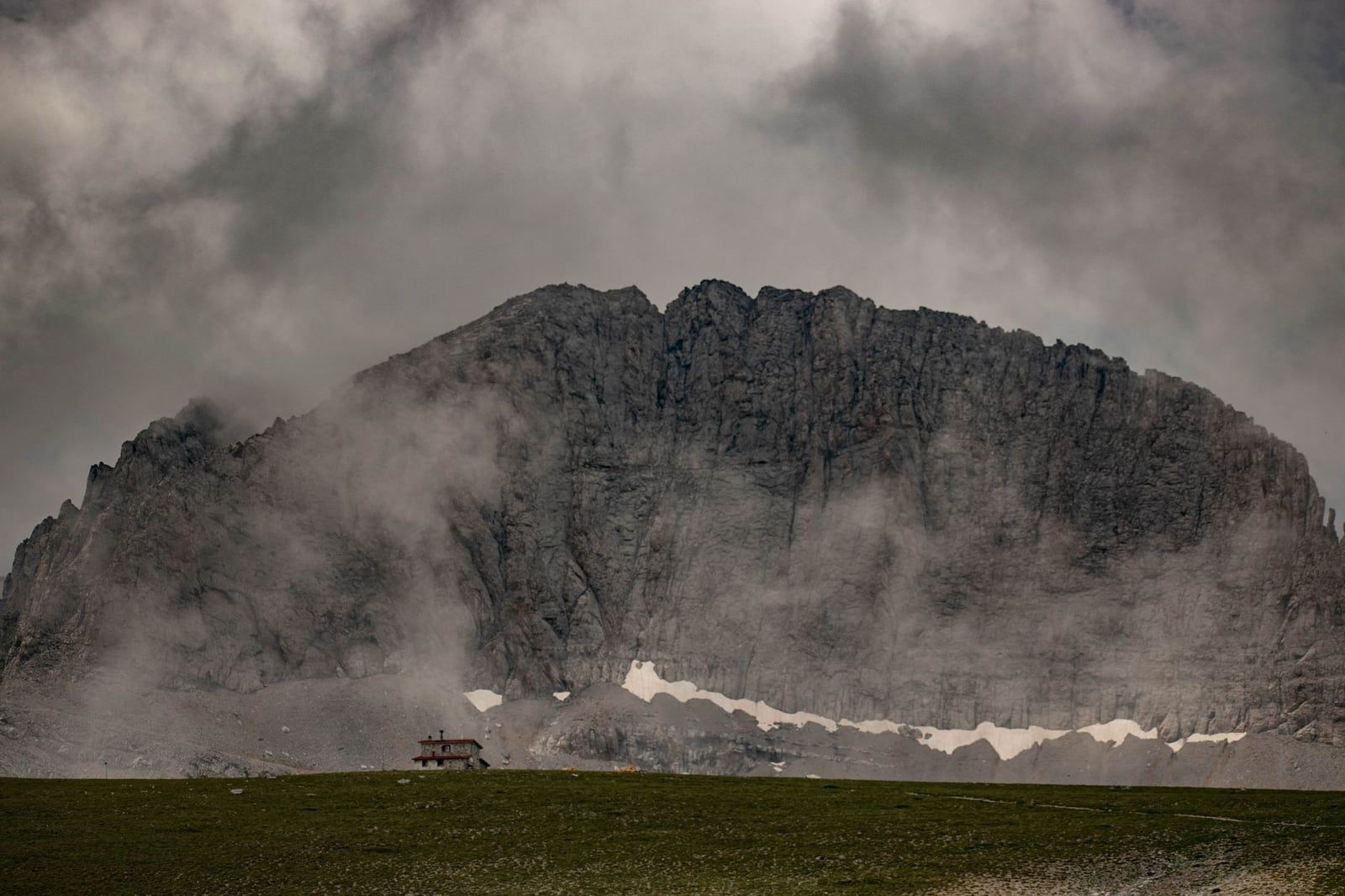
Climb between June and October, and aim for July to September if you can. Above 2,000 m the mountain holds snow roughly September to May, so in early June you may still cross snowfields on the final ridge — some late-May climbers turn back at Skala for exactly that reason. Summer summit temperatures swing from near 0°C in the morning to 20°C in the afternoon sun.
Two weather patterns matter more than the averages. First, thunderstorms: from late August, torrential rain and hail can arrive with little warning, and in July and August storms build through the afternoon — which is why every summit day starts before or shortly after dawn. Second, winter arrives early: snowfall can begin in October, and by early November the upper mountain is in full winter condition.
The practical planning marker is the refuge season. Spilios Agapitos (Refuge A) opens daily from around 8 May to 28 October, 6 am to 10 pm, and the other high huts follow a similar calendar. Outside that window you're into a mountaineering trip — crampons, ice axe, rope and avalanche awareness — not a hike. September is the pick of the season: mild, clear, and quieter on the trails. For the finer detail on opening dates and fees, see our hours and fees page.
How Difficult Is Climbing Mount Olympus?
From Prionia the climb is about 9.6 km one way with 1,928 m of elevation gain — roughly 7 hours up and 4 hours down. That's strong day-hiker territory: no technical skill needed, but real fitness required. If you can handle a 1,000 m-gain hike without wrecking yourself, you can do day one.
The difficulty is concentrated in the final section from Skala to Mytikas, rated YDS Class III. In practice that means scrambling with your hands, real exposure, and loose rock — a fall here could easily be fatal. It's short, maybe 30–40 minutes, but it demands a cool head. Helmets are strongly recommended, because climbers above you dislodge stones onto the route with monotonous regularity. Rent one in Litochoro if you don't own one.
If that sounds like too much, take Skolio. From the Skala col, Skolio (2,911 m) is reached along a walkable ridge with no scrambling, just 6 m below Greece's highest point — and it's where the vast majority of the mountain's 10,000 annual climbers end up. Skala itself, at about 2,866 m, is a summit in its own right and the natural turnaround if weather moves in.
Do you need a guide? No — the route is waymarked and fit hikers do it independently. But if exposure worries you, a guide changes the Mytikas scramble from a no-go to a doable day: guides work at a ratio of 3–4 clients each and use helmets, harnesses and ropes in the couloir. And a guide will make the call that saves your life, which is turning back. Cloud building over the massif, rain, fog, ice on the rock, or fading daylight — any one of them means Skolio today and Mytikas another year.
The Routes Up Mount Olympus
Three realistic routes reach the summits, all converging high on the massif. The classic is the E4 European long-distance path from Prionia to Refuge A, then up to the Skala col; the variant continues over the Zonaria path to the Plateau of the Muses; and the Gortsia trail approaches from the north. Here's how they compare.
| Route | Start | Time to the top | Where you sleep | Character |
|---|---|---|---|---|
| E4 classic via Refuge A | Prionia (1,100 m) | ~7 h | Spilios Agapitos (2,100 m) | Busy, direct, forest then alpine |
| Via Zonaria to Muses Plateau | Prionia (1,100 m) | 8–9 h | Apostolidis or Kakkalos hut | Most scenic, longer day one |
| Gortsia trail | Gortsia (1,100 m) | 6–7 h | Apostolidis or Kakkalos hut | Quieter, northern forest approach |
The E4 from Prionia to Spilios Agapitos Refuge is 4.5 km with around 1,000 m of ascent and takes most walkers about 3 hours through beech and black-pine forest. It's the busiest trail on the mountain, and the simplest navigation you'll ever do at this altitude — follow the red waymarks.
The Muses Plateau variant splits the same first leg, then crosses the Zonaria scree path to the high basin at 2,650–2,700 m, where mythology placed the nine Muses and where the Apostolidis and Kakkalos huts sit. It's the most scenic option and sets up a short day-two summit push. Near the Kakkalos hut, Profitis Ilias (2,803 m) is widely rated the single best viewpoint on the massif — climb it at sunrise and you may skip the summit queue entirely.
Gortsia, on the mountain's northern side, climbs through dense forest to Skourta (2,475 m) before joining the plateau. You trade the E4's crowds for a longer, quieter day. Starting from Litochoro village itself is a fourth option — about 20 km, 11 hours and 2,550 m of gain — and almost nobody does it, for obvious reasons.
One warning on the final section: the Louki (the couloir between Skala and Mytikas) is the steeper, looser line that guided groups rope up for. If you're climbing unguided, take the regular scramble route, not the couloir.
The Classic Two-Day Climb: Day by Day
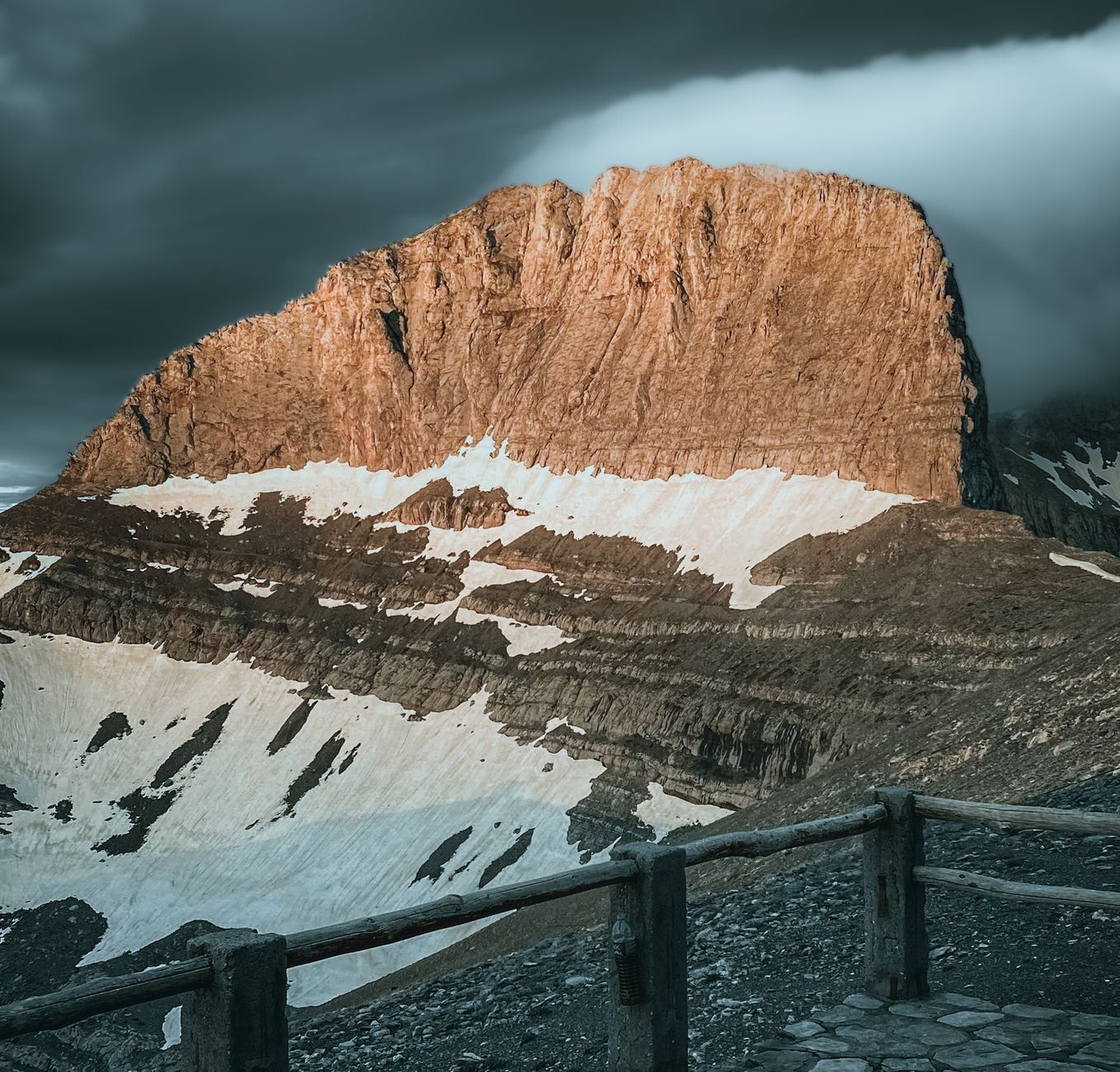
Day 1: taxi to Prionia in the morning, then walk the E4 to Spilios Agapitos Refuge — 4.5 km, about 1,000 m up, 3 hours at a relaxed pace. Ambitious groups continue over the Zonaria path to the plateau huts, making day 1 roughly 10–12 km with 1,600–1,700 m of ascent and ending at Giosos Apostolidis (2,697 m, the highest hut in the Balkans) or Christos Kakkalos (2,650 m). Sleeping at Refuge A instead keeps day one short and saves the legs — the trade-off is a much bigger day two.
Day 2 starts early: guided groups eat breakfast at 6 am and leave at 7:00–7:30. From the plateau it's a steady climb to Skala; from Refuge A you have roughly 1,000 m of ascent first. At the Skala col you choose — Skolio's walkable ridge or the Mytikas scramble — then stand above all of Greece with the Thermaic Gulf spread out below. The whole day runs about 12 km and 8–9 hours, descending either back to Prionia or, better, looping down the Gortsia trail past Petrostrouga Hut.
Be honest with yourself about the descent. The scree is steep and sliding, and it punishes knees far more than the ascent did — trekking poles earn their weight on the way down. Budget more time than you think you need.
Can it be done in one day? Yes, if you're fast and experienced: roughly 10–12 hours from Prionia, starting at 7 am or earlier with a headlamp, with a taxi waiting at the end. It's a serious undertaking, removes the sunrise from the trip, and leaves no margin if the afternoon weather turns. Two days is the better climb — safer, slower, and with an evening on the refuge terrace watching the sun drop into the Aegean.
Mountain Refuges: Sleeping on the Mountain
Eight refuges serve the massif, generally open mid-May to late October at the higher altitudes:
- Spilios Agapitos — 2,100 m (the main summit-route hut)
- Giosos Apostolidis — 2,697 m (Muses Plateau)
- Christos Kakkalos — 2,650 m (Muses Plateau)
- Petrostrouga — 1,920 m (Gortsia route)
- Vrysopoules — 1,820 m (military zone, permit required)
- Koromilia — 1,020 m; Krevatia — 1,005 m; Stavros — 930 m (low-level)
Spilios Agapitos is the one most climbers use: 110 sleeping places, two dining halls, and a restaurant open until 9 pm. Beds cost €18 for non-members, €13 for mountaineering-club members with ID, and €10 for children up to 13; camping in the designated area outside is €8. Book well ahead for July and August — by phone on (+30) 23520 81800 or the online form, with a deposit for weekends and groups — and check in by 8 pm.
The refuge provides three blankets and a fresh pillow but no sheets, so bring a sleeping-bag liner or disposable sheets, plus a towel and slippers — everyone changes into indoor shoes at the door. Meals, drinks and water refills are available at the huts, so you don't need to carry a stove. Higher up, Kakkalos is small (around 18 beds) while Apostolidis has 66 beds and doubles as an emergency winter refuge. Off-season, keys must be arranged with the hut keepers in advance.
Camping rules are strict and simple: free camping is banned in the national park, so you sleep either in a hut or in the designated areas around them, and you carry out everything you carry in — bins only exist down at Prionia.
Getting There: Athens, Thessaloniki and the Road to Prionia
Fly into Thessaloniki. Its airport (SKG) is the closest international gateway, about 110 km and roughly two hours from Litochoro door to door. City bus 78 (€0.90) or a taxi (€20–25) gets you to the railway station, where trains leave for Litochoro almost hourly — €9, around 1 hour 10 minutes. Note the Litochoro station sits 6 km from the village, down by the sea; a 5-minute taxi covers the hop. Our Thessaloniki to Mount Olympus trip guide walks through the connections in full.
From Athens, intercity trains run north to Katerini (about €38.90, 3.5 hours — fares vary by train type), then a short regional leg costs €8–10 to Litochoro; the whole journey takes about 5½–6 hours. Driving from Athens takes 5–6 hours on the A1, or 1½ hours from Thessaloniki (92 km), with an exit for Litochoro and motorway tolls as the only extra cost. Full transport options are on our directions page.
Base yourself in Litochoro the night before. It has the hotels, restaurants and the park's Information Center (open daily 9 am–4 pm), and hotels will store luggage while you're on the mountain. If you'd rather not handle any of this yourself, tours from Thessaloniki run the whole way to the trailhead.
The final link is the 18 km paved road from Litochoro to Prionia at 1,100 m — the highest point reachable by car. A taxi costs €28–30 and takes about 25 minutes. One thing catches people out: there's no mobile reception at Prionia. The tavern at the car park will call your return taxi, but it usually closes between 5 and 6 pm, so if you'll finish late, book the pickup in advance.
What to Pack
Boots first. Broken-in hiking boots with ankle support, not sandals or trainers — the trails are loose rock from about 2,000 m up, and the descent is scree. Pair them with layers: a base layer, fleece and waterproof shell, because summit temperatures can sit near 0°C even in July and mountain weather changes fast. Sun protection and a headlamp are non-negotiable when your day starts in the dark.
Three Olympus-specific items separate the prepared from the sorry. A helmet, for the rockfall other climbers send down the Mytikas scramble — rentable in Litochoro if you don't own one. Trekking poles, for the knee-wrecking scree descent — also rentable in Litochoro (the 55 Peaks store by the church is the usual spot). And your hut kit: sleeping-bag liner, towel, toiletries and a change of clothes, since the refuge supplies blankets but nothing else you sleep in.
Carry 1–2 litres of water for the Prionia–Refuge A leg (you can refill at the huts), high-carbohydrate snacks, cash — there are no ATMs on the mountain — a small first-aid kit and a portable charger. Outside the main season, the equation changes completely: ice axe, crampons and full mountaineering kit, and only if you know how to use them.
How Much Does Climbing Mount Olympus Cost?
The mountain itself costs nothing — no entrance fee, no permit. Your real spending is transport, a bed and food, and it adds up to less than a hotel night in Athens. Here's the DIY two-day budget from Litochoro.
| Item | Cost |
|---|---|
| Taxi Litochoro–Prionia, both ways | €56–60 |
| Bed at Spilios Agapitos Refuge | €18 |
| Dinner and breakfast at the refuge | €16–21 |
| Trains from Thessaloniki, return | €18 |
| Total on the ground | €60–100 (€90–140 from Athens by train) |
Camping at the refuge cuts the bed to €8 if you carry a tent. Guided trips are the other lane entirely: two-day group departures with certified guides are listed from around €152–238 per person, and full programs typically run €250–600 depending on length, route and group size. That price buys safety equipment, logistics, and someone qualified to call the weather — which, on the scramble, is worth real money. Browse the options on our Mount Olympus tours page.
The verdict: this is one of Europe's most famous summits and one of its cheapest to climb. The expensive part of the trip is the flight to Greece, not the mountain.
Mount Olympus Climbing FAQs
The same handful of questions comes up on every Olympus planning thread. Here are the short answers, with the numbers from the sections above.
Frequently asked questions
Can you climb Mount Olympus in one day?
Yes, for fast, fit hikers: roughly 10–12 hours from Prionia, starting at 7 am or earlier, with a taxi both ways. The two-day version with a refuge night is safer, leaves time for the scramble, and includes the sunrise — most people should choose it.
Do you need a guide to climb Mount Olympus?
No — the route is waymarked and fit hikers climb it independently. A guide is worth it if the exposed Mytikas scramble concerns you: guided groups use one guide per 3–4 climbers with helmets, harnesses and ropes, and trips typically cost €250–600 per person.
Is climbing Mount Olympus dangerous?
Most of the route is a non-technical hike. The danger is concentrated in the Class III scramble to Mytikas — exposed, loose rock, with rockfall from climbers above — and in fast-changing weather. Helmets are strongly recommended, and Skala and Skolio are far safer summit alternatives.
How fit do you need to be to climb Mount Olympus?
Strong day-hiker fitness: about 1,928 m of gain over 9.6 km one way, roughly 7 hours up. No technical skill is needed to reach Skala or Skolio; the Mytikas scramble needs a head for heights more than technique.
When is the best time to climb Mount Olympus?
June to October, with July–September the most reliable window. Snow can linger into June and return by late October, storms build from August onwards, and the refuges open roughly mid-May to late October.
How much does it cost to climb Mount Olympus?
There's no entrance fee or permit. A DIY two-day climb from Litochoro runs about €60–100: €28–30 each way for the taxi to Prionia, an €18 refuge bed, and roughly €16–21 for hut meals. Guided trips run €250–600 per person.
What's the difference between Mytikas, Skala and Skolio?
Mytikas (2,917 m) is the true summit, reached by an exposed Class III scramble. Skala (about 2,866 m) sits on the way and is a summit in its own right. Skolio (2,911 m) is reached from Skala along a walkable ridge with no scrambling — and it's where most of the mountain's annual climbers stop.