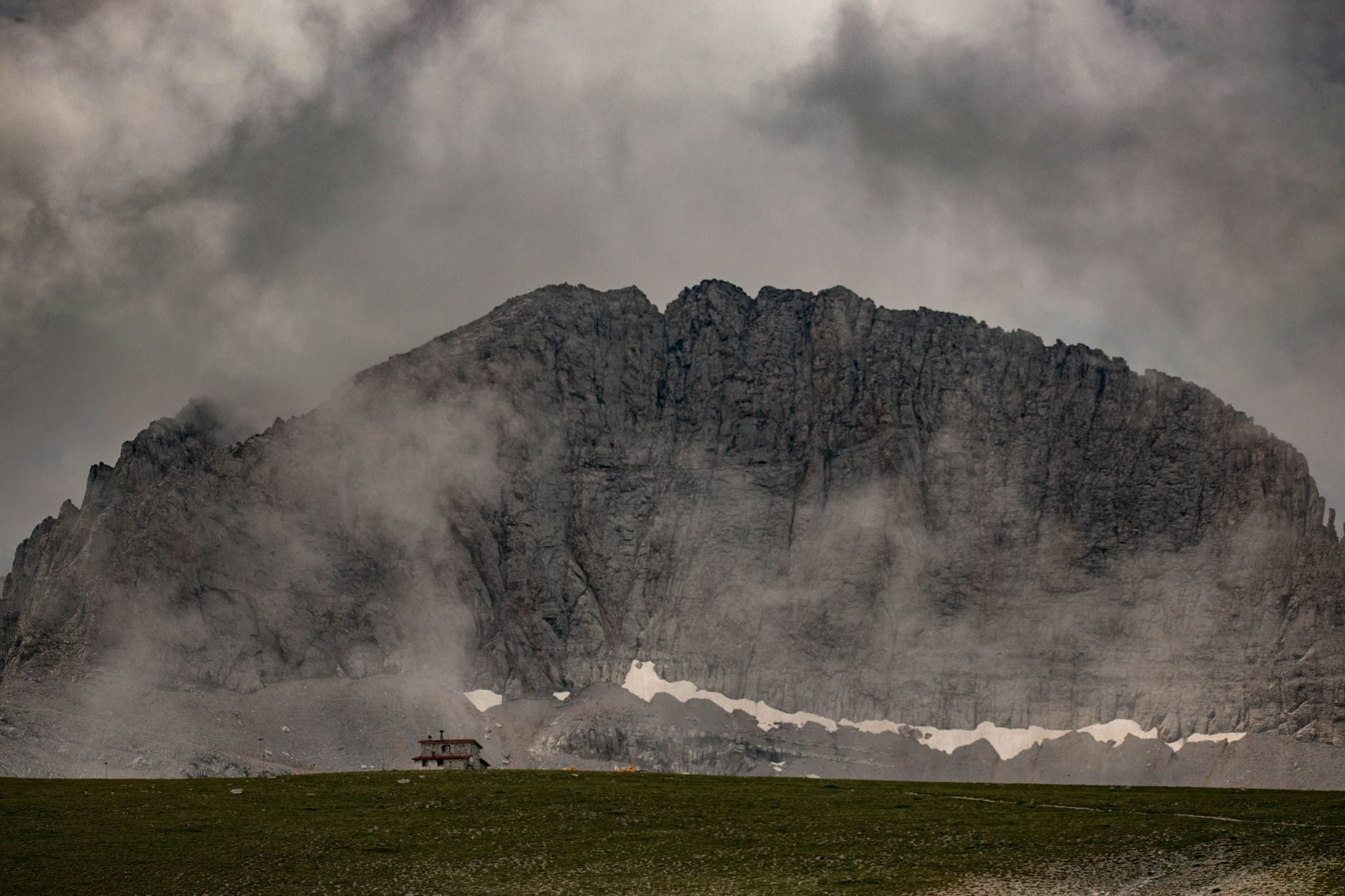
Mount Olympus is the highest mountain in Greece — Mytikas tops out at 2,917 m — and most fit hikers can stand on it with nothing more technical than a short rock scramble. The catch is in the details: which summit to aim for, whether to do it in one long day or two with a refuge night, and how to handle the exposed final section to Mytikas. This guide compares every route, prices the huts, and gives you the logistics nobody else consolidates.
Mount Olympus at a Glance: Key Facts for Hikers
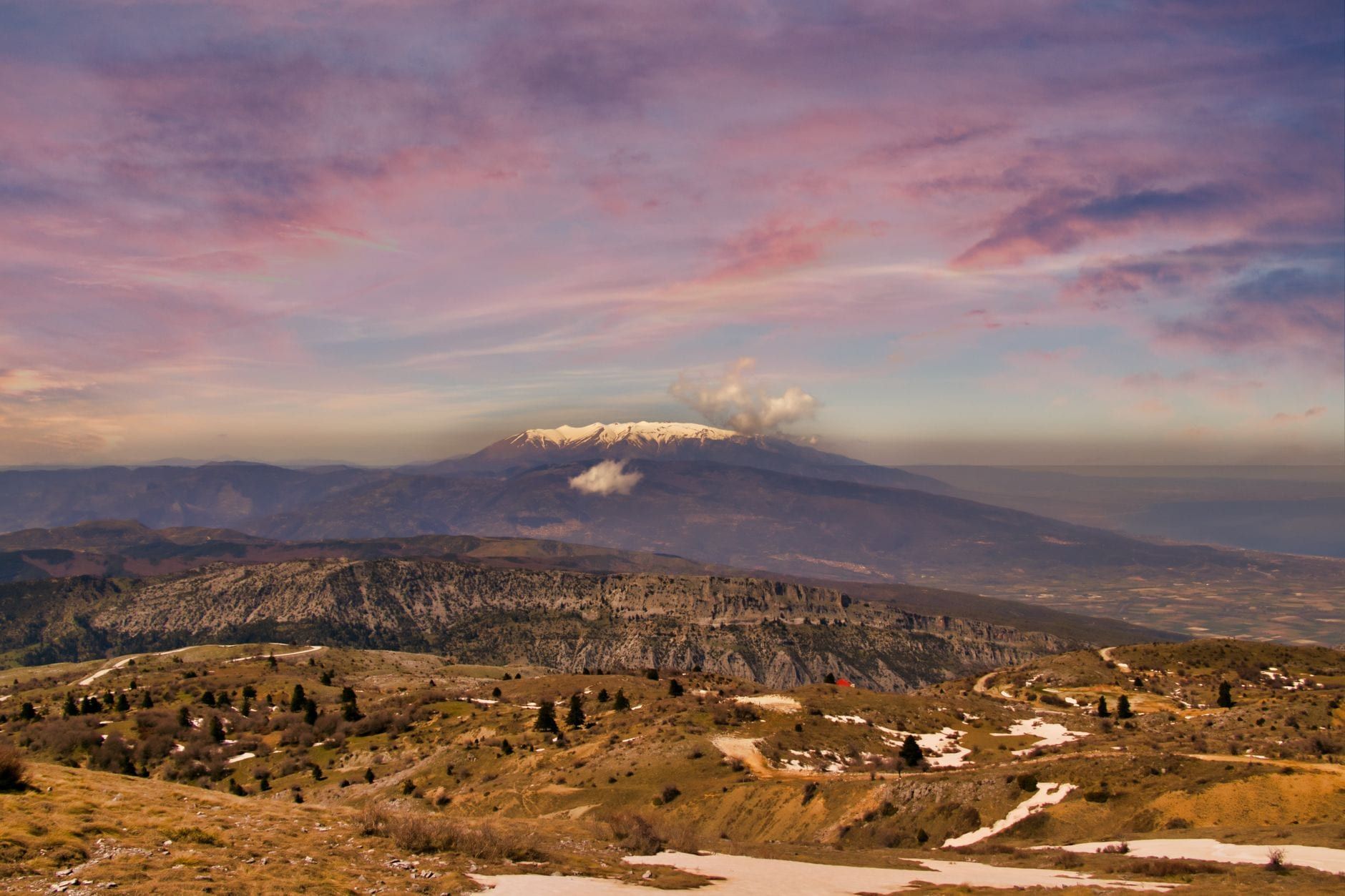
Olympus is a 52-peak massif on the border of Thessaly and Macedonia, 92 km southwest of Thessaloniki, rising straight off the Aegean coast to 2,917 m at Mytikas. The ancient Greeks called that peak Pantheon and put the twelve Olympian gods on the mountain; today it sits inside Greece's first national park, declared in 1938, a UNESCO Biosphere Reserve since 1981 and a UNESCO World Heritage site since July 2026.
For hikers, the numbers that matter: two main trailheads, Prionia and Gortsia, both at 1,100 m and both reached from the base village of Litochoro. The classic climb takes two days with one night in a refuge; a one-day push is possible for strong hikers. Roughly 10,000 people climb the mountain each year, and the vast majority of them settle for Skolio rather than facing the Mytikas scramble. Entry is free, no permit is needed, and no guide is required by law — see our rundown of Olympus fees and opening hours for what you do pay for (refuges, taxis, the odd €2.50 bottle of water).
Choosing Your Olympus Hike: Summits and Day Hikes
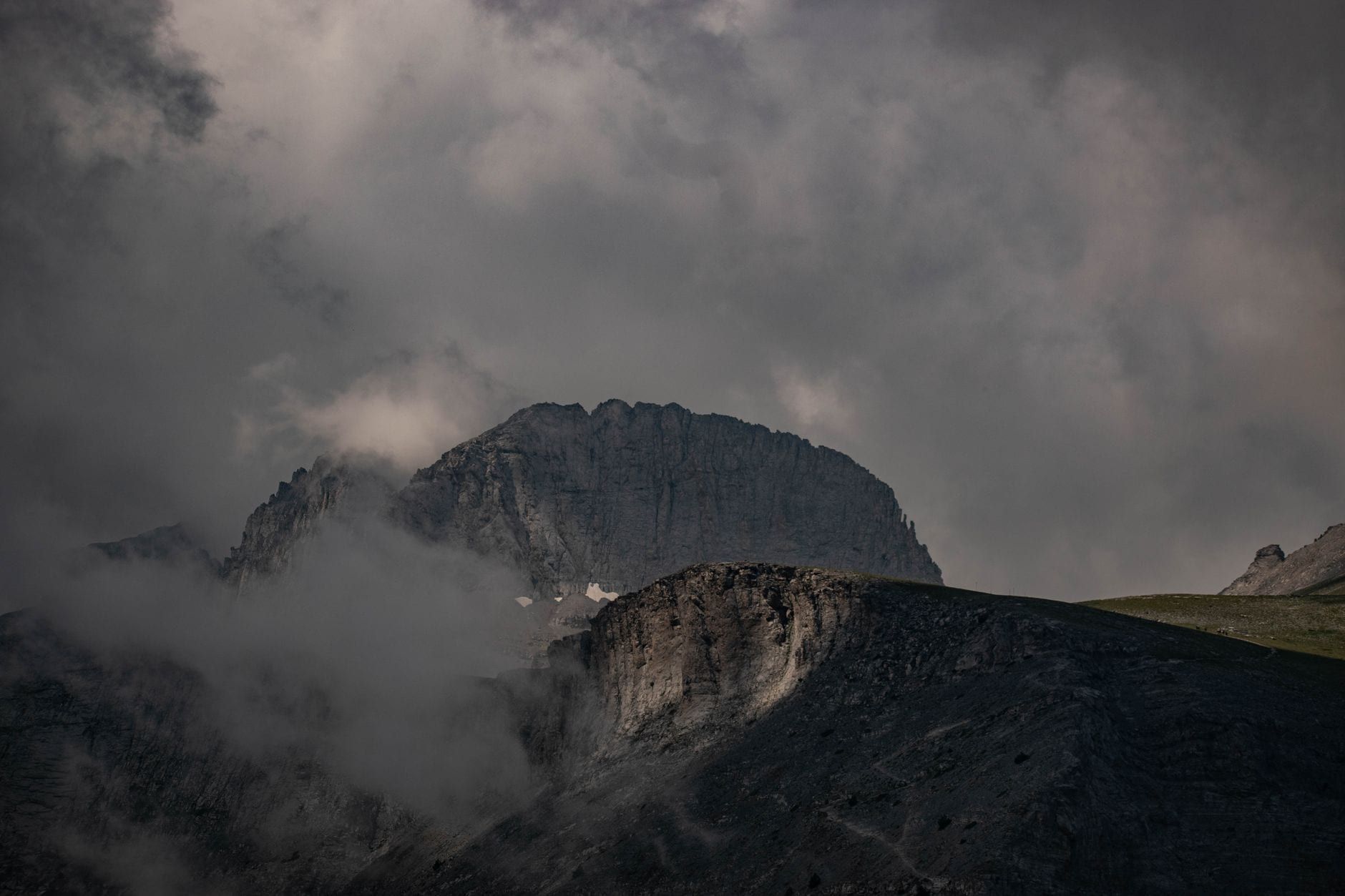
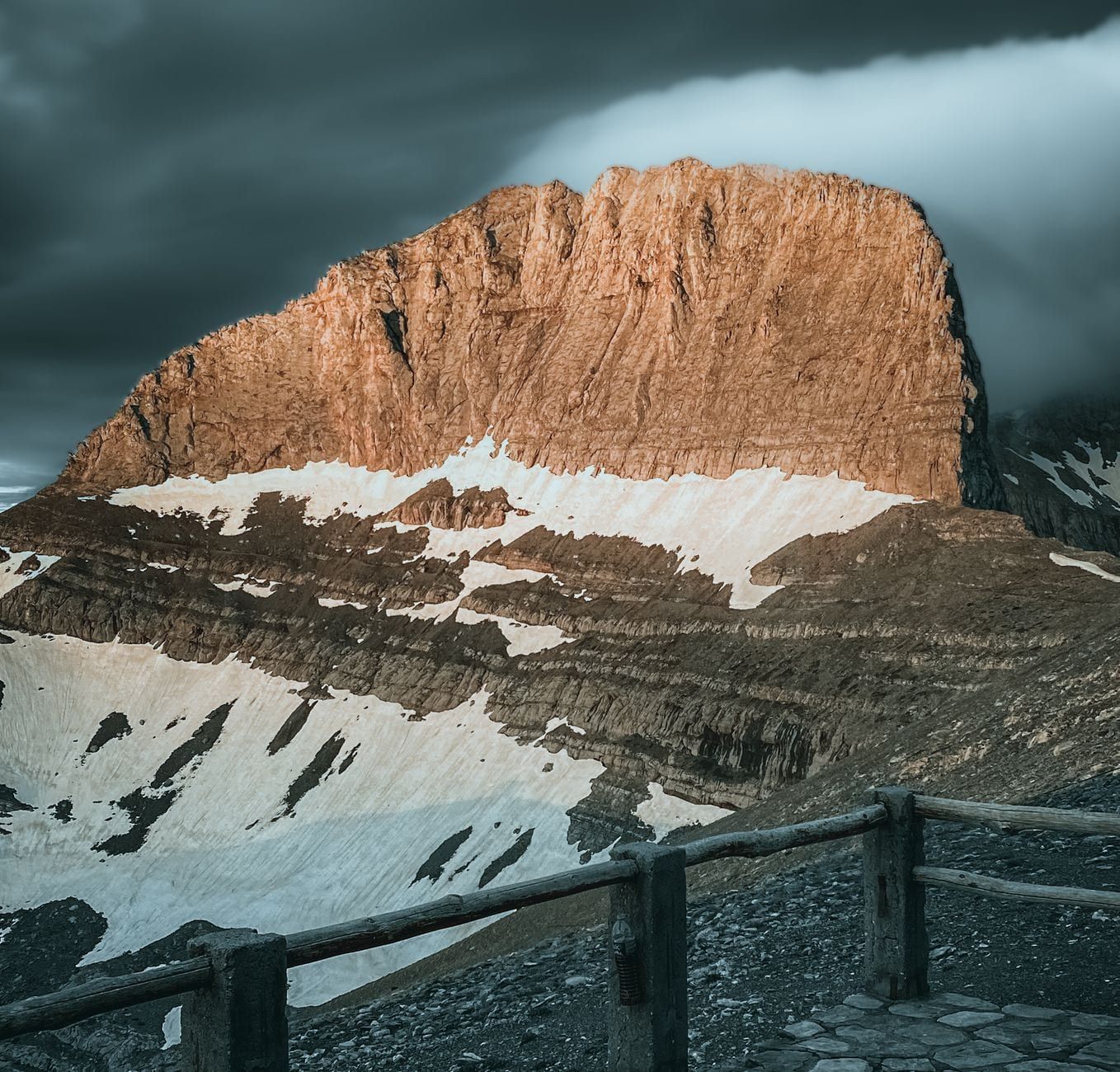
Decide the summit before you decide the route, because the four high points of the massif are not interchangeable. Mytikas is the roof of Greece; Skolio is six metres lower and needs no scrambling; Skala is the shoulder you cross to reach either; Stefani is the rock fin the ancients called the throne of Zeus, and it is admired rather than climbed.
| Summit | Height | Final section | Best for |
|---|---|---|---|
| Mytikas | 2,917 m | Exposed Class III scramble (Kakoskala) | Confident scramblers who want the true summit |
| Skolio | 2,911 m | Non-technical walk-up from Skala | Nearly everyone — no rope, no exposure |
| Stefani | 2,909 m | Rock fin, not a normal hiking objective | Photographers chasing the 'throne of Zeus' |
| Skala | 2,882 m | Hiking only | The standard high point before the scramble |
Skolio is the honest answer for most hikers, and weather makes the call for the rest — a wet or foggy morning turns the Mytikas traverse into something you should not be on. Turning back at Skolio is a legitimate summit, not a consolation prize; guides redirect groups there routinely.
If the scramble is not for you at all, Olympus still delivers. Three day hikes start at Prionia, none of which go above 2,100 m:
- Enipeas Waterfall and Agios Dionysios Monastery — easy, ~2 h, 6 km; swimmable pool below the falls.
- E4 down to Litochoro through Enipeas Gorge — medium, ~5 h, 9 km.
- Out-and-back to Spilios Agapitos Refuge — medium, ~3 h one way, 4.5 km.
The monastery on the first loop dates to 1542 and is open April to October — cover shoulders and knees. These walks also slot neatly into a summit plan: as a warm-up day in Litochoro, a bad-weather fallback, or something for non-summiting companions to do while you climb.
The Classic Route: Prionia to Mytikas Step by Step
The standard ascent from Prionia covers about 9 km and 1,800 m of climbing, roughly six hours up, in three very different legs. We have a fuller treatment in our guide to climbing Mount Olympus; here is the shape of it.
Leg 1: Prionia to Spilios Agapitos Refuge
From the parking area at Prionia (1,100 m) the E4 climbs 4.5 km through black-pine forest to Refuge A at 2,100 m — about three hours and 1,000 m of ascent, almost entirely in shade. It is the pleasant leg. Carry at least 2 litres of water per person, the refuge's own official advice, because there is nothing reliable in between. Refuge A is the biggest hut in Greece, with 110 beds and a restaurant, and most two-day climbers sleep here.
Leg 2: Refuge A to Skala
Above the hut the trees thin fast and the trail turns to rocky switchbacks, then the Zonaria path, an alpine traverse beneath the summit walls. Give it about two hours to the top of Skala (2,882 m). On a clear morning the Aegean opens up behind you — the Thermaic Gulf and the Pieria coastline laid flat below the rock.
Leg 3: Skala to Mytikas across the Kakoskala
From Skala the route drops into the Kakoskala — literally the 'bad stairs' — a gully traverse of broken limestone that gains the summit in about 30 minutes of hands-on scrambling. It is Class III: exposed, polished and loose, and parties above will kick stones down. The steeper Louki variant to the south is even more serious, with loose rock that demands a helmet and care. Treat this section with respect and never attempt it in rain, fog or on ice.
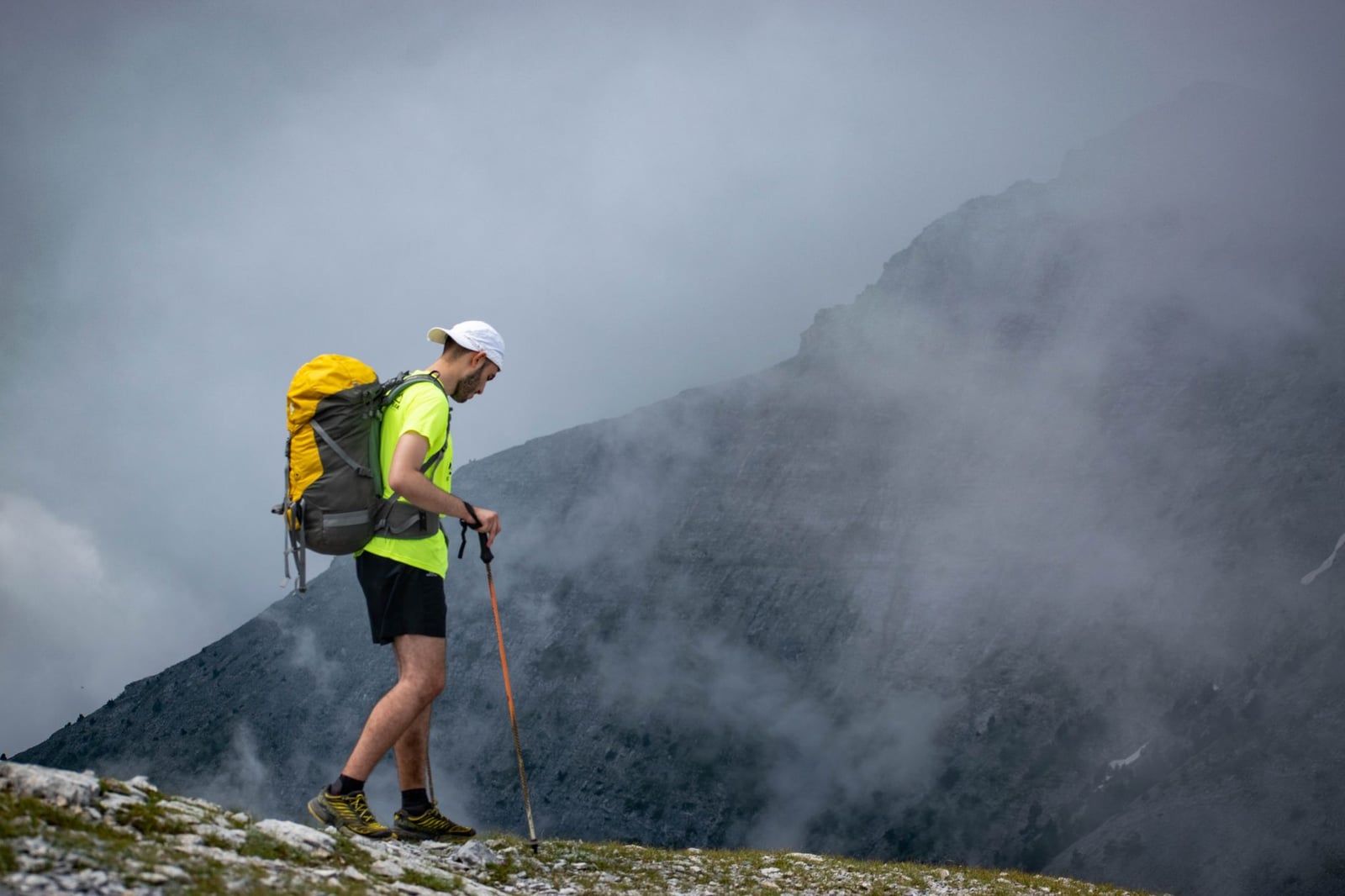
The scenic variant skips Refuge A and pushes on: the Zonaria path continues to the Plateau of the Muses at 2,650-2,700 m, where the Christos Kakkalos and Giosos Apostolidis refuges sit. Sleep there and you can take in Profitis Ilias (2,803 m) at sunrise — arguably the best view on the mountain, with Stefani's rock fin and the Aegean beyond — before a short walk to Skala and the scramble. For the descent, retrace to Prionia, or loop down the Gortsia side to make a circuit.
Alternate Routes: the Gortsia Trail and Other Approaches
The Gortsia trailhead, on the massif's north side at 1,100 m, is the credible alternative and the one most guides actually use. It climbs through dense forest to Petrostrouga Refuge (1,920 m), continues over the Skourta col at 2,475 m, and drops onto the Plateau of the Muses — six to seven hours from car to summit. It is slightly easier than the Prionia line and noticeably quieter, and it turns the climb into a loop when combined with a Prionia descent.
Starting from Litochoro itself instead of Prionia adds around 12 km, 700 m of climbing and five hours, following the E4 up the Enipeas Gorge — a fine choice if you have no transport and extra time. West-side starts exist but stay niche: the route past the Vrysopoules military camp requires a permit for non-EU citizens, and the Karya-side approach has essentially no water springs.
How Hard Is the Mytikas Scramble — and Do You Need a Guide?
Class III, in practice, means you are using your hands the whole way, the rock beneath you is polished or loose, and a fall from the wrong step could easily be fatal. That sounds dramatic, and it should — but the section is short, the line is obvious, and everything before it is ordinary mountain hiking. The fitness demand is real in a different way: 1,800 m of gain from Prionia, with the final scree slowing your pace to a crawl even when your legs still feel fine.
Wear a helmet. Rockfall from climbers above is the main hazard, and helmets can be rented in Litochoro or at some huts. Anyone with scrambling experience and a good forecast can do Mytikas unguided; hire a certified guide — roughly €250-600 per person for guided trips, with one guide per 3-4 climbers carrying ropes and helmets — if you have never scrambled, dislike exposure, or want the reassurance. Semi-guided arrangements exist too, where the guide meets you at the refuge just for the summit push. Browse our Olympus hiking tours if that is your route in.
One rule whatever you choose: set a turnaround time before you leave the hut. Weather on the upper mountain decides more summits than fitness does, and Skolio will still be there for you.
One-Day Push or Overnight at a Refuge? (Plus Getting There)
A one-day ascent is a 10-12 hour round trip from Prionia: on the order of six hours up and four to five down, with a pre-dawn start. One fast hiker logged about eight hours Prionia-to-Skala-and-back, and that was moving well. It is doable if you are fit, acclimatised and honest with yourself — most people are happier splitting it.
The two-day version is almost anticlimactic in its ease: Day 1, walk 3 hours from Prionia to Refuge A, eat, watch the sunset from the terrace. Day 2, leave around 7 am, cross Skala, scramble to Mytikas, and be back at Prionia by early afternoon. Add the Plateau of the Muses variant if you want the sunrise, or see the full range of Olympus tours for a guided version of either plan.
Litochoro is the base for all of this — accommodation, gear rental, the national park Information Centre, taxis. Full transport options are in our directions guide; the short version: the train from Thessaloniki runs roughly hourly, takes 1 hour 10 minutes and costs €9 (the station is 6 km from the village), the KTEL bus via Katerini costs about €10 and takes 2 hours 15 minutes, and driving the 92 km takes around 1.5 hours on the A1. For planning the whole journey, our Thessaloniki to Mount Olympus trip guide covers it leg by leg. From Litochoro an 18 km paved road climbs to Prionia; a taxi is €30 each way, and in summer a bus continues up.
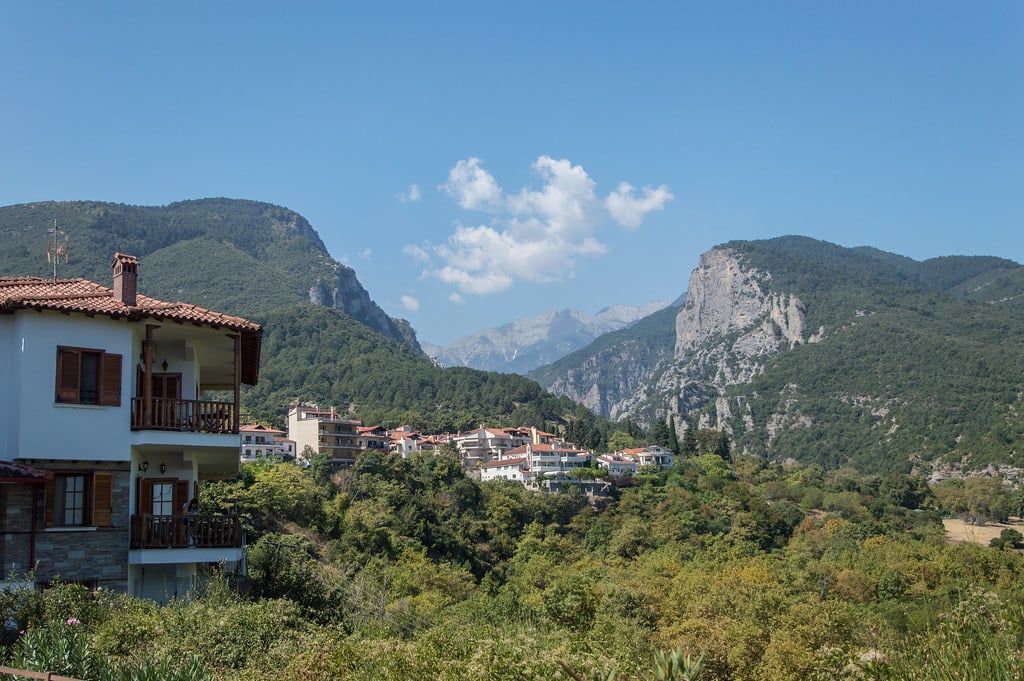
Driving up yourself? The Prionia parking lot is free, and it overflows on summer weekends — arrive early. Weekends also fill the refuge beds, which is the stronger reason to book ahead.
Refuges, Camping, Food and Water on the Mountain
Olympus has eight refuges in total, generally open mid-May to late October at altitude. The main one is Spilios Agapitos (Refuge A, 2,100 m): 110 beds, €18 for a dorm night — €13 for mountaineering-club members, €10 for children up to 13 — and €8 to pitch a tent on its grounds. It has a restaurant open until 9 pm, no showers, and lights that go off at night. Book by phone on (+30) 23520 81800 or via the online reservation form; weekend and group bookings need a deposit, and July-August beds sell out. Check-in is by 8 pm.
Higher, on the Plateau of the Muses, the Christos Kakkalos Refuge (2,650 m, about 18 beds) and Giosos Apostolidis (2,697 m, 66 beds) start around €13 a night. Lower down sit Petrostrouga (1,920 m), Stavros (930 m) and Krevatia (1,005 m); Vrysopoules (1,820 m) sits in a military zone and needs the permit mentioned above. Huts serve hot meals at fair prices — a bottle of water at Refuge A is €2.50, which is the going rate for hauling it up 1,000 m.
A note on camping: free camping is not allowed inside the national park, so the €8 pitch on refuge grounds is the legal option — overnight stays must be in refuges or designated areas, and lighting fires is banned everywhere. On the trails there are no bins and no WCs, so everything you carry up comes back down with you; bins wait at Prionia. Carry the official 2 litres of water per person from the trailhead and refill at the huts.
Best Time to Hike Mount Olympus: Season and Weather
The trekking season runs June to the end of October, with the high refuges opening around mid-May and closing in late October. The sweet spot is June through September; September in particular brings mild temperatures, clear air and fewer hikers. The snow nuance matters for early-season planning: above 2,000 m the mountain holds snow roughly nine months of the year, and snowfields can persist on the upper ridges into June — one late-May hiker found the Skala-Mytikas ridge still snowy and turned back. Icy patches make the scramble genuinely dangerous.
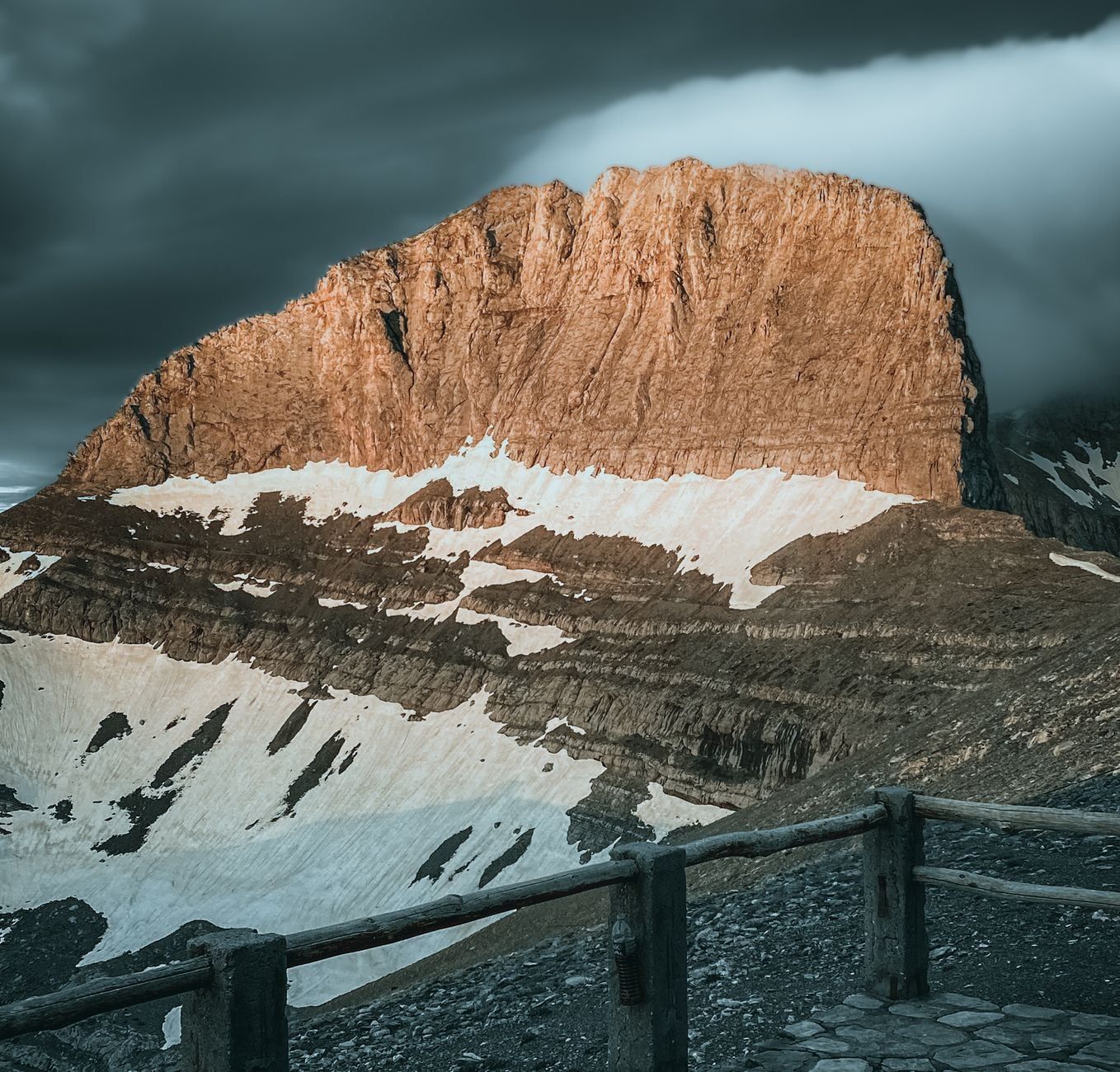
Summer swings between 0 and 20 °C at altitude, with cold nights even in July. From August, rain and hail can arrive with little warning, and July-August afternoons build thunderstorms fast — lightning on the exposed upper peaks is a serious hazard. Leaving the hut at 7 am beats both the storms and the crowds. By early November the upper mountain is in full winter condition, with avalanche danger; from November to April it is mountaineering only, with crampons, ice axe and rope.
What to Pack (and What to Rent in Litochoro)
Boots first: broken-in, with ankle support and grip for loose limestone. Trekking poles come a close second — the steep scree descent punishes knees, and hikers who skip them regularly regret it. If you flew in, rent poles in Litochoro (the 55 Peaks store by the church roundabout is the known spot) along with a helmet for the Mytikas section.
Clothing is about the swing: layers for a 0-20 °C range, a warm layer and gloves for the summit block, and a waterproof shell. Above the treeline the sun is fierce, so sunscreen and a hat are non-negotiable. A headlamp covers the pre-dawn starts. For hut nights bring a sleeping-bag liner or disposable sheets — the refuge supplies three blankets and a pillow but no sheets — plus a small towel, toiletries and indoor shoes, which are compulsory inside the refuge. Carry cash for huts and taxis, rubbish bags for your waste, and your snacks; keep lunch light, since heavy meals sit badly at 2,900 m.
Mythology, First Ascent and the National Park
The ancients never put Zeus on Mytikas — his throne was Stefani, the 2,909 m rock fin next door, and archaeological finds show a sanctuary of Zeus once stood on the peak of Agios Antonios. For centuries people believed the summit itself was unreachable. Then, on 2 August 1913, the Swiss climbers Frédéric Boissonnas and Daniel Baud-Bovy reached the top, guided by Christos Kakkalos, a Litochoro hunter who became the mountain's first official guide in 1932 and worked on it until his death in 1976. The refuge at 2,650 m on the Plateau of the Muses bears his name. You can read more in our introduction to Mount Olympus.
The park around the peaks spans some 24,000 hectares and holds roughly 1,700 plant species and subspecies — about a quarter of all Greek flora. Keep an eye out for chamois on the upper slopes; wolves, roe deer and golden eagles live here too, though you will more likely hear jackals than see any of them. Collect nothing: picking plants, seeds or even stones is prohibited.
Frequently asked questions
Can you hike Mount Olympus in one day?
Yes, if you are a strong hiker. From Prionia it is about 9 km and 1,800 m of gain — typically 6-9 hours up and 4-5 hours down, a 10-12 hour round trip starting before dawn. A fast hiker took around 8 hours just to Skala and back. A taxi from Litochoro (€30) cuts roughly four hours of walking. Most people split the climb over two days with a refuge night.
Do you need a guide to climb Mount Olympus?
No, it is not mandatory — the trail is well marked and busy in summer, and no permit or entrance fee applies. A guide is wise if you have no scrambling experience or dislike exposure, since the final section to Mytikas is an exposed Class III scramble. Guided trips cost roughly €250-600 per person.
Which summit should I aim for: Mytikas, Skala or Skolio?
Mytikas (2,917 m) is the highest but requires the exposed scramble from Skala. Skolio (2,911 m) is a non-technical walk-up from the same col, and Stefani (2,909 m) is the mythological 'throne of Zeus', admired rather than climbed. Of roughly 10,000 climbers a year, the vast majority stop at Skolio.
How hard is the Mytikas scramble?
It is YDS Class III: hands-on scrambling with real exposure and loose rock, where a fall could be fatal. It is short — about 30 minutes — but serious, and helmets are strongly recommended because climbers above kick stones down. Anyone uncomfortable should walk to Skolio instead; never attempt it in rain, fog or on ice.
Where do you sleep on Mount Olympus, and how much do refuges cost?
Refuge A (Spilios Agapitos, 2,100 m) charges €18 for a dorm bed, €10 for children under 13, and €8 to camp on its grounds; it has 110 beds, a restaurant and no showers. On the Plateau of the Muses, Christos Kakkalos (2,650 m) and Giosos Apostolidis (2,697 m) start around €13. Bring a sleeping-bag liner and book ahead on (+30) 23520 81800 — weekends sell out.
What is the best month to hike Mount Olympus?
The season runs June to October, with refuges open roughly mid-May to late October. June through September is the sweet spot; September has milder temperatures, clearer air and fewer people. Snow can persist on the upper mountain into June, and above 2,000 m the mountain holds snow about nine months of the year.
Can you camp on Mount Olympus?
Free camping is not allowed inside the national park — overnight stays must be in refuges or designated areas, and lighting fires is banned. The legal option is pitching a tent on refuge grounds: €8 at Refuge A (€5 for mountaineering-club members). Whatever you carry up, you carry back down.
How do you get to the Prionia trailhead?
Base yourself in Litochoro, about 1 hour 10 minutes from Thessaloniki by train (€9, roughly hourly). From the village, an 18 km paved road climbs to Prionia — a taxi is €30 each way, and in summer a bus continues up. There is no mobile signal at Prionia; the tavern will call a taxi for you but usually closes between 5 and 6 pm, so late finishers should book the return in advance.