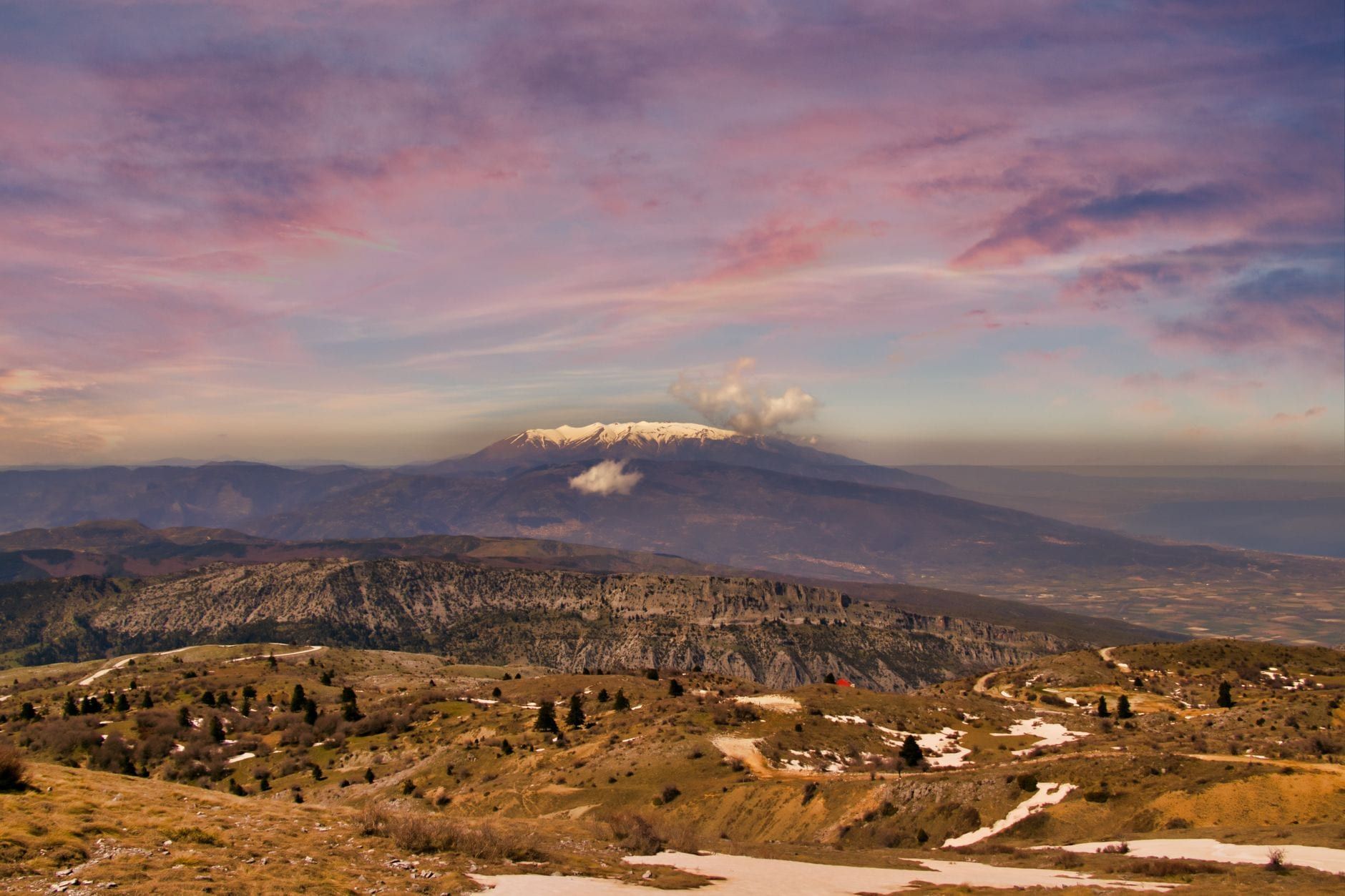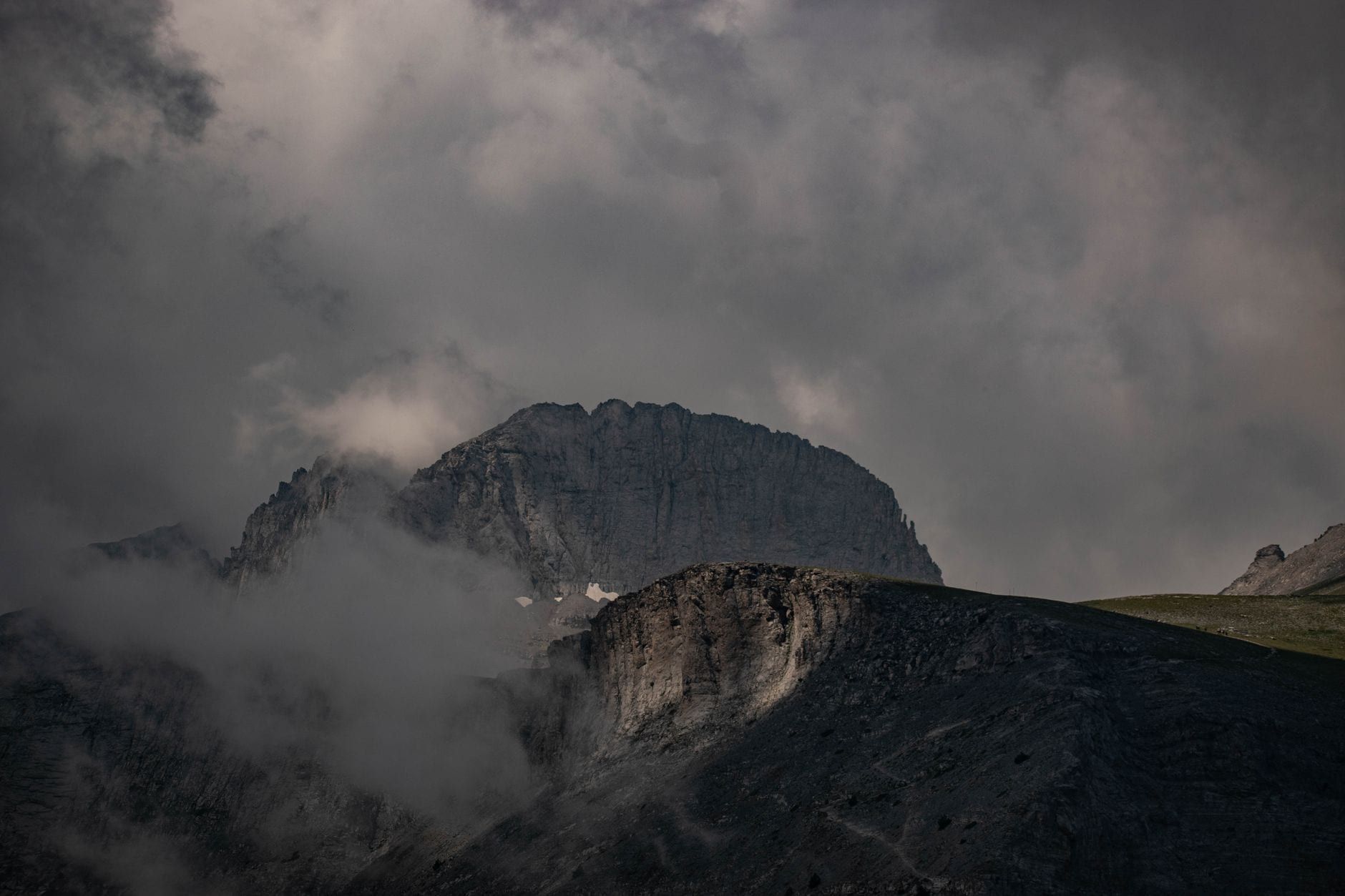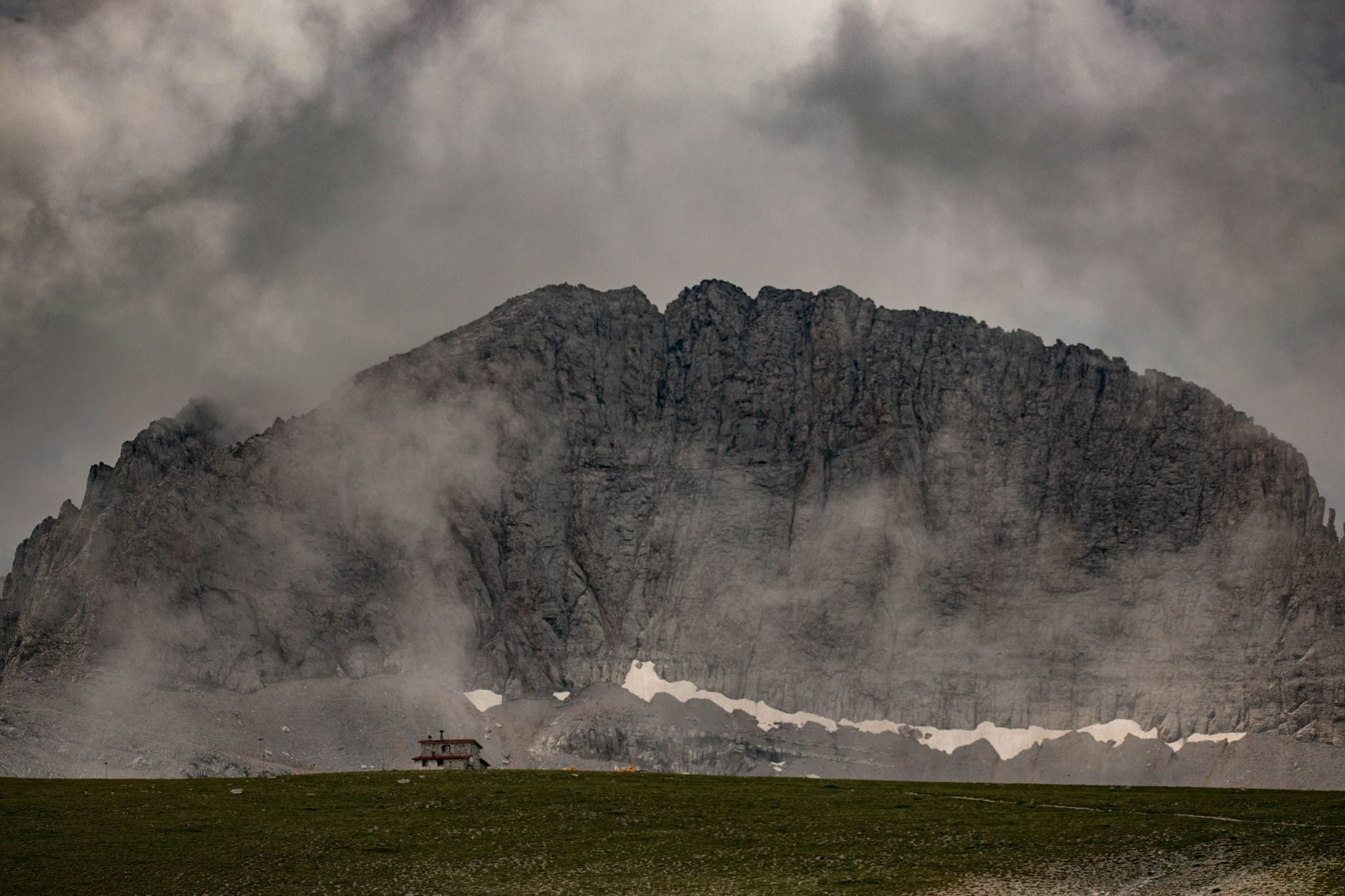
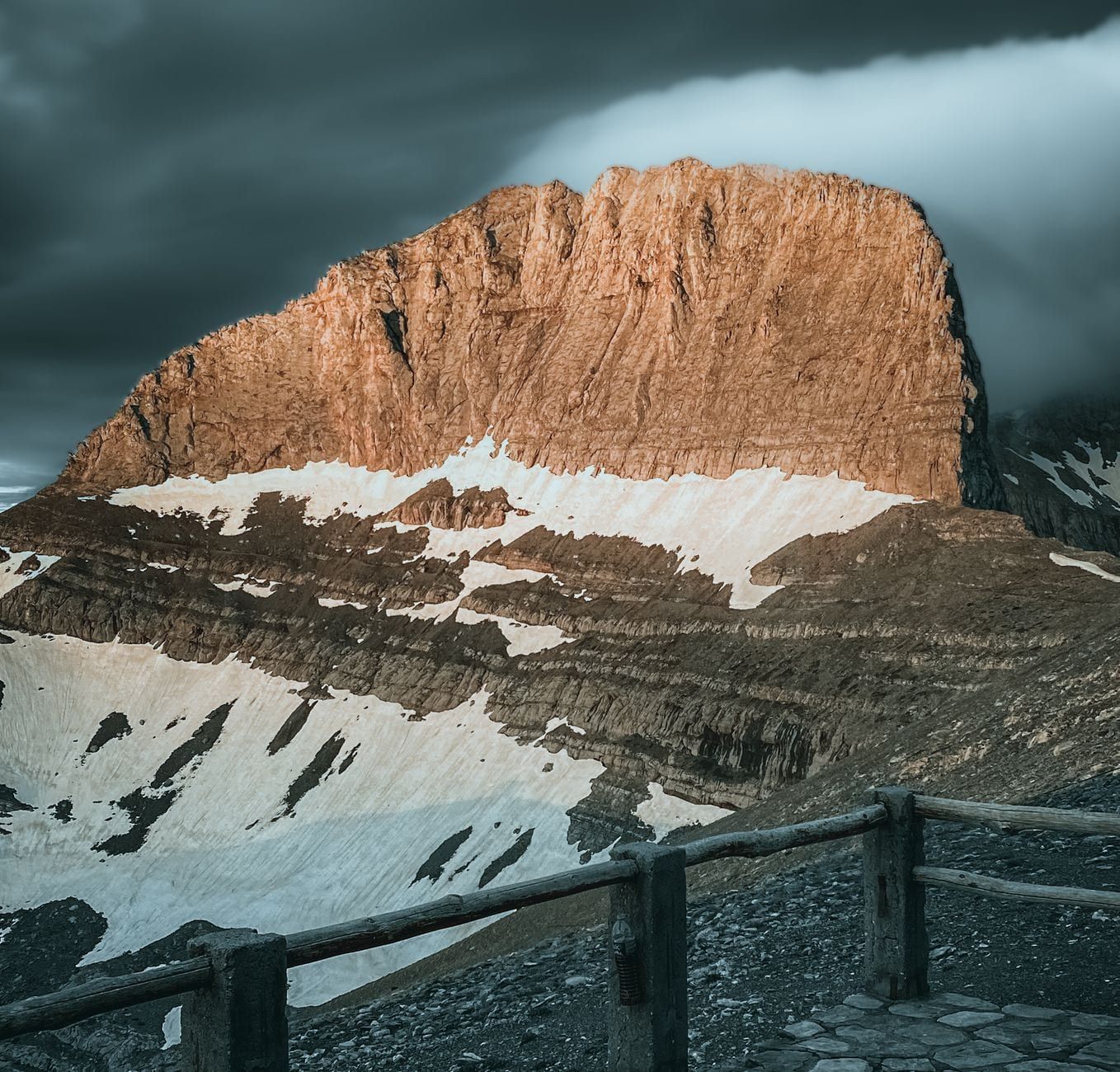
Mount Olympus sits just over 400 km north of Athens — close enough that a day trip works, far enough that it will consume 12 to 13 hours of your life. Do it right and you'll wander the gateway village of Litochoro, stand in a 2,500-year-old sanctuary dedicated to Zeus, and walk into the green canyon where the mountain's waterfalls plunge. What you won't do is stand on the summit. That takes two days minimum, and this guide is honest about where the line falls.
Here's everything you need to decide: whether to book a tour, take the train, drive, or sleep on it — literally — in Litochoro.
Can You Do Mount Olympus as a Day Trip from Athens?
Yes — as a very long day. The mountain lies a little over 400 km from Athens, and driving the E75 national highway covers it in just over four hours. Trains and buses take five to six hours each way. Add sightseeing and you're looking at a 12-13 hour door-to-door day, which matches the longest-running organized tour on the route exactly: 13 hours, station to station. Anyone selling you a relaxed outing is selling you something else.
What that day actually buys you is the foot of the mountain. Litochoro, the stone village hugging Olympus's lower slopes, takes an hour to enjoy. The Dion archaeological park, the sacred city where Macedonians worshipped Zeus, takes two. And the Enipeas Gorge — waterfalls, wooden bridges, cold green pools — can fill whatever's left. That's a genuinely good day. What it can't buy you is Mytikas, the highest of Olympus's 52 peaks at 2,917.7 m, which needs two to three days of hiking from the Prionia trailhead at 1,100 m.
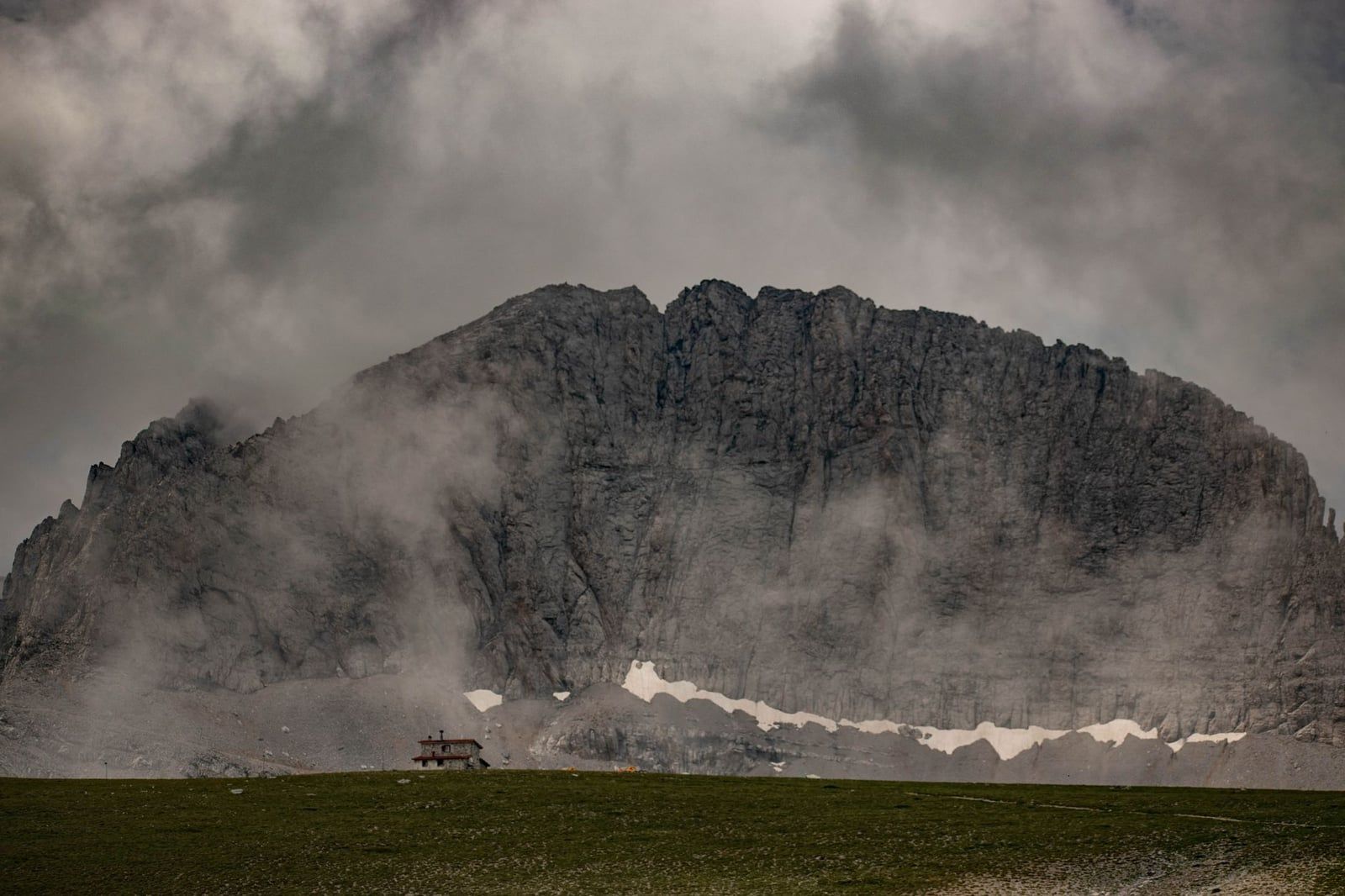
Why bother with a mountain you can't climb in a day? Because this is the home of the twelve Olympian gods — Zeus's seat, the Pantheon peak the ancients thought unreachable. Greece made it the country's first national park in 1938, UNESCO declared it a Biosphere Reserve in 1981, and in July 2026 it was inscribed on the World Heritage List as a mixed cultural and natural site. Its slopes hold around 1,700 plant species, roughly a quarter of all Greek flora. Even from the valley floor, you understand the assignment.
How to Get from Athens to Mount Olympus: 4 Options Compared
Four ways to do the trip, and they suit four different travelers. The table first, then the details. Full transport routes and alternatives are covered in our getting to Mount Olympus guide.
| Option | Time each way | Approx. cost | Best for |
|---|---|---|---|
| Organized tour | 13 h door to door | from €160 | Zero logistics, first-timers |
| Train (DIY) | ~5.5 h | €38.50 return + €8–10 taxi | Best car-free option |
| Bus (DIY) | ~5.5–6 h | €55 return + €3 local bus | Almost nobody, timing-wise |
| Rental car | ~4–4.5 h | ~€25 tolls each way + fuel | Flexibility, reaching Prionia |
The Organized Day Tour
The established option is the "Mount Olympus and Dion" day trip by train: 13 hours, from €160 per person, departing Athens' Larissa Station at 7:58 am (arrive by 7:30). The train legs run about 3.5 hours each way, and the day packs in two hours at Dion, 40 minutes of free time in Litochoro, a 20-minute stop at Platamon Castle, and a visit to the Enipeas waterfall. Guides handle every connection. The trade-off is pacing — 40 minutes in Litochoro is a coffee, not a visit — and you can't swap Dion for a longer gorge walk. If you'd rather browse what's out there, start with the full range of Olympus tours.
By Train (the Best DIY Option)
Trains leave from Larissa Station (metro Line 2) and run north with a single change at the city of Larissa, reaching Litochoro in roughly 5 to 6 hours. The daytime connections cost €38.50; a night train with multiple changes costs €35.70 and saves you nothing but daylight. One catch: Litochoro's station sits 6 km from the village, down by the coast, so budget €8–10 for the taxi in — a five-minute hop. Book Hellenic Train tickets online ahead of time in summer.
By Bus (Don't, for a Day Trip)
There is no direct Athens–Litochoro bus. KTEL coaches leave Liosion Terminal for Katerini, 5 hours 10 minutes away, at €37 one-way or €55 return, then a local bus covers the last 25 minutes to Litochoro for €3. The schedule is the problem: the first departure leaves Athens at 09:00, which lands you in Litochoro mid-afternoon — after that, the day is unsalvageable. Fine for an overnight trip; useless for a day trip. If the KTEL e-ticketing site fails, as it often does, buy at the counter.
By Rental Car
Driving is the fastest and most flexible way out. Take the E75 out of Athens, which becomes the A1 north, and exit at Plaka/Litochoro — about 10 minutes from the village. Budget just over four hours each way and around €25 in tolls. A car is also the only day-trip option that reaches Prionia, at 1,100 m the highest point on the mountain you can drive to, via an 18 km paved road from Litochoro. That matters: Prionia is the trailhead for everything above the tree line.
A Realistic One-Day Itinerary (Hour by Hour)
This plan works backward from real timetables. It assumes the train, the best car-free choice, but drivers can lift the same shape and shave an hour off each end.
- 6:30–7:00 am — Metro to Larissa Station; catch the first northbound train.
- Late morning — Arrive Litochoro; coffee and a wander through the old town's stone lanes.
- Midday — Pick ONE: Dion archaeological park (2 h) or a taxi to Prionia for a gorge walk.
- 1:30–3:00 pm — Late lunch at a Litochoro taverna; €15–20 with house wine.
- Late afternoon — Platamon Castle viewpoint (20–30 min) if you're driving or with a car.
- Evening — Return connections; you're back at an Athens station around 9–10 pm.
The midday fork is the whole decision. Dion and the Enipeas Gorge both deserve two hours, and you don't have four. History lovers take Dion and console themselves with a short stroll on the gorge path above Litochoro. Mountain lovers take the taxi to Prionia and walk into the gorge from the top, skipping Dion entirely. Commit before you arrive or you'll spend your one day deliberating.
Build slack into the return. Every DIY connection here is a single-change itinerary, and a missed train in Larissa turns a 10 pm arrival into a midnight one. Know your last services before you leave Athens, and don't book anything for the evening back in the city.
On the tour, the same day runs on rails, literally: train out by 7:58 am, two hours at Dion, 40 minutes in Litochoro, 20 minutes at Platamon, and the return train delivers you to Athens Railway Station by about 9 pm. Thirteen hours, zero decisions. Some people find that liberating; others feel like luggage. You know which you are.
What to See on a Day Trip: Litochoro, Dion, and Enipeas Gorge
Four stops fit a day trip, and you'll manage three of them at most. Here they are in visit order, with the honest time each deserves.
Litochoro
Litochoro is the base village — the "town of gods" — where the sea breeze from the Thermaic Gulf meets cold mountain air coming off the massif. The old town is Macedonian stone architecture, tavernas, and squares built for slow evenings. It's also the practical hub: the national park's Information Center (open daily 09:00–16:00) is here, taxis to Prionia start here, and the village sits 10 minutes off the motorway exit. Give it at least an unhurried hour, plus lunch.
Dion Archaeological Park and Museum
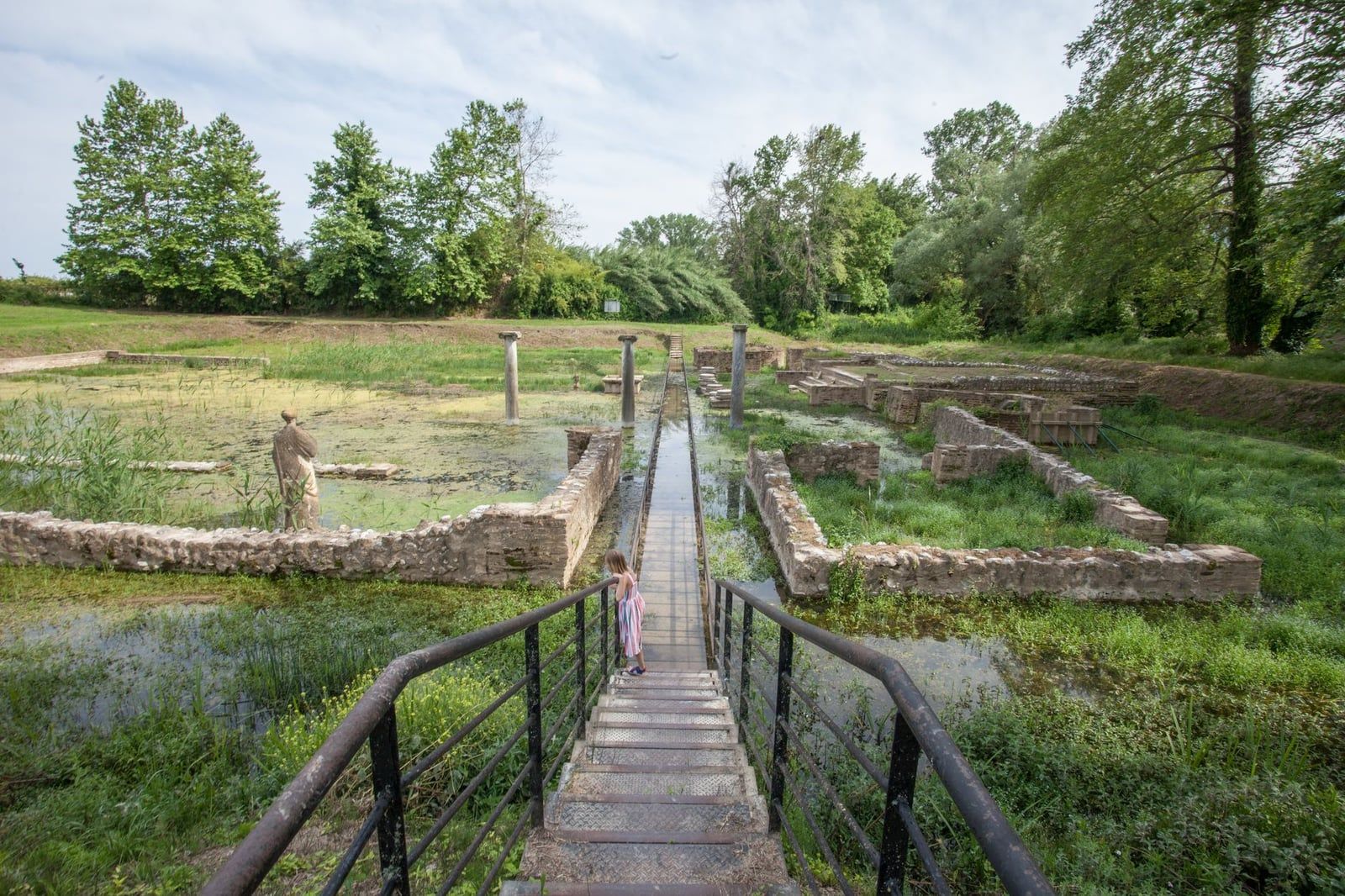
Dion, about 20 minutes by car from Litochoro, is where the Macedonians worshipped the Olympian gods — King Archelaus staged nine days of games in Zeus's honour here in the 5th century BC. The park holds sanctuaries, a Hellenistic theatre that still hosts performances, and fine mosaics; the adjacent museum displays the finds, including an ancient hydraulis organ. Entry is €10 full price, €5 reduced, and it deserves 1.5 to 2 hours. In summer it opens 08:00–20:00 Wednesday through Monday — check current hours and fees before you go, since winter hours are far shorter.
Enipeas Gorge and Prionia
The gorge is where you actually touch the mountain. The trail runs about 9 km from Litochoro up to Prionia, climbing roughly 700 m past waterfalls, natural swimming pools, wooden footbridges, and the 1542 monastery of Agios Dionysios. The full traverse takes four to six hours; on a day trip, don't attempt it. Instead, take a taxi to Prionia (1,100 m, the highest drivable point, with a seasonal restaurant at the trailhead) and walk down into the gorge as far as time allows, then turn back. Even 90 minutes buys you bridges, falls, and pools you can swim in if you packed a suit. Our Mount Olympus hikes guide covers the trail in detail. Budget around €25 for the taxi — rates do drift, so confirm before you commit.
Platamon Castle
If you're driving — or on the tour — Platamon Castle makes an easy 20-to-30-minute stop on the coastal road southeast of the mountain. Built between 1204 and 1222, it's one of Greece's best-preserved Frankish-era fortresses, standing on a hill above the Aegean with views back across the whole Olympus massif. It's a photo stop and a leg stretch, not a destination in itself. Do it if the day has slack; skip it without guilt if the train timetable is tight.
The realistic combinations: Litochoro plus Dion plus a short gorge walk fills a day exactly. Litochoro plus the full gorge walk fills a day too — but then you skip Dion. Trying to do all three at once is how people end up seeing nothing properly.
Day Trip or Overnight in Litochoro? When One Day Isn't Enough
Upgrade to an overnight if any of these is true: you want the summit, you want the full gorge traverse, you want to swim or canyon rather than hike, or you simply don't want to spend nine of your daylight hours on trains. The two-day shape is simple — travel up in the evening, sleep in Litochoro, give the mountain one entire day, and return the next evening. If your Greece route includes Thessaloniki, note that the mountain is only 92 km from there; our Thessaloniki to Mount Olympus trip guide covers that far shorter run.
The classic overnight structure for summit people: hike from Prionia to Spilios Agapitos Refuge (Refuge A) at 2,100 m — about 4.5 km and 3 hours of steady climbing through black-pine forest — sleep there, then push for the top the next morning. The refuge has 110 beds across 14 rooms, a restaurant open until 21:00, and a terrace sunset over the Aegean that hikers rate as the trip's highlight. A bunk costs €18; blankets and a pillow are provided, sheets are not, so bring a sleeping-bag liner. Book by phone at +30 23520 81800 or via the online form — July and August fill up, and weekends need a deposit. The refuge runs mid-May to late October, 06:00–22:00, with check-in by 20:00.
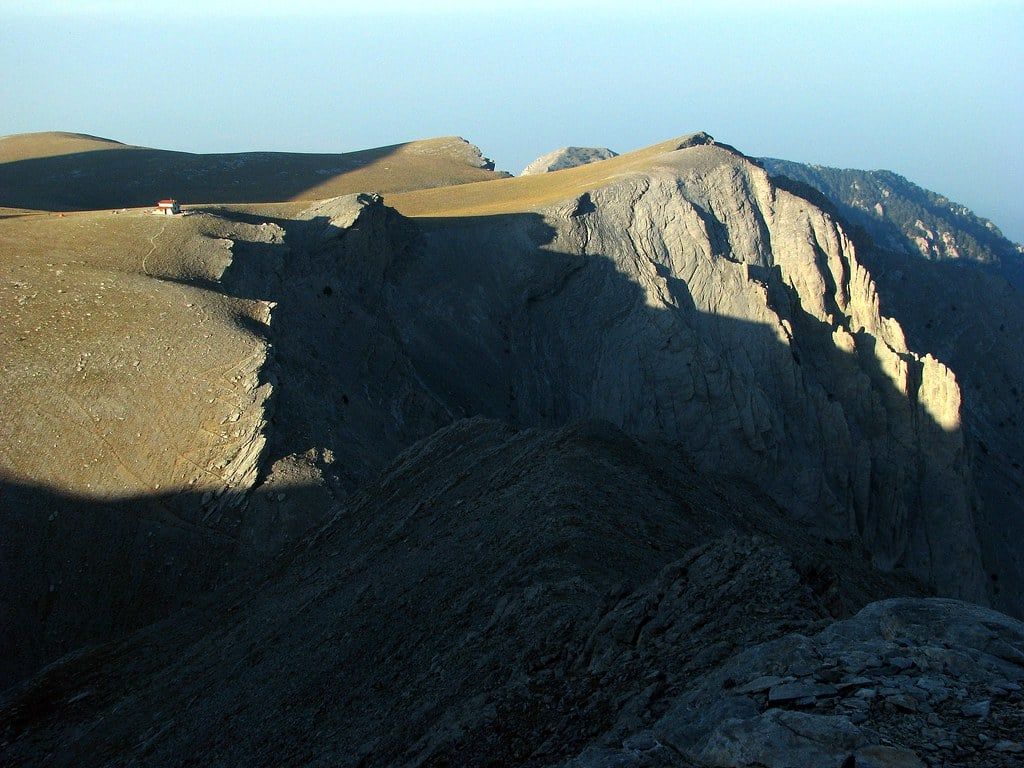
A summit reality check: a fit hiker can do Mytikas from Prionia in a 10-to-12-hour day starting before dawn — but not from Athens, because the travel alone eats both ends of your daylight. And the final scramble from the Skala col to Mytikas is exposed, polished Class 3 rock where falls happen most years; it should never be attempted in rain, fog, or on ice, and first-timers should hire a guide from Litochoro. Our climbing Mount Olympus guide covers the full route. Everything below the summit needs no guide at all.
Where to sleep in Litochoro: Olympiades for budget doubles, Olympus Mediterranean in the comfortable middle, Cavo Olympo at the top end with a spa and sea views. And the overnight buys things a day trip can't fit — canyoning in the Orlias gorge, the restored stone village of Palaios Panteleimonas with its taverna terraces over the Olympus Riviera, and the beaches at Plaka and Gritsa, where you can swim with the entire massif above you.
The Best Time of Year for a Day Trip
Late June through September is the reliable window: trails clear of snow, refuges open, weather at its most stable. September is the pick of it — mild air, clear views, fewer hikers. July and August are busiest, and the lower slopes can push past 30°C, so start early and carry more water than feels reasonable.
May and early October suit this article's itinerary well, since the day trip lives below 1,100 m anyway. May brings wildflowers and the strongest waterfalls, fed by snowmelt. October can bring rain but also the clearest views of the year. From November to April, snow buries the upper trails and the high refuges close — a day trip still works for Litochoro, Dion, and Platamon, but Prionia walks become mud or ice depending on the week. Check the forecast the morning you go; on this mountain it turns fast.
What a Day Trip from Athens Costs
Per person, the DIY train day and the tour are closer in price than the €160 sticker suggests. The table shows a car-free DIY day against the organized tour; drivers should add roughly €25 in tolls each way plus fuel, divided by however many people are in the car — with four aboard, driving is the cheapest option of all.
| Item | DIY by train | Organized tour |
|---|---|---|
| Transport (return) | €38.50 | Included |
| Station–Litochoro taxi, both ways | €16–20 | Included |
| Dion entry | €10 | Included |
| Lunch in Litochoro | €15–20 | At your expense |
| Total per person | €80–90 | from €160 |
Add-ons push both columns up: the Prionia taxi costs about €25 each way, and an upscale dinner in Litochoro runs €25–30 a head. Two money notes: return train fares are cheaper than two singles bought separately, and booking Hellenic Train tickets early in summer keeps you on the fast daytime connections rather than the slow ones. DIY wins on flexibility and length of stay; the tour's premium is really buying the guide, the guaranteed connections, and the fact that someone else is awake at 6:30 am making sure of it.
Know Before You Go: Practical Tips
Get the stations right, because mixing them up costs you the day. Trains leave from Larissa Station, on metro Line 2. Buses leave from Liosion Terminal, reached via the Green Line metro to Kato Patisia. They are on opposite sides of central Athens.
- Book Hellenic Train tickets online ahead in summer; if the KTEL site fails, buy at the counter.
- Check the last return train or bus time before you leave Athens, and plan around it, not near it.
- Pack grippy shoes, layers, swimwear for the Enipeas pools, and sun protection.
- Carry two litres of water per person for any gorge walking in July and August.
- Watch cloud build-up over the massif — afternoon storms can form within minutes in summer.
On safety: people are injured, sometimes fatally, on Olympus nearly every year, mostly on the loose-rock scramble to Mytikas and in sudden weather above the tree line. A day trip confined to Litochoro, Dion, and the lower gorge carries ordinary hiking risk, nothing more — but the weather rules still apply. Never push high in bad conditions, and if your planned day involves anything above Prionia, proper shoes aren't optional. Follow the park's basics: stay on marked trails, take your rubbish with you, and leave the plants where they grow.
FAQs: Mount Olympus Day Trip from Athens
The questions that come up again and again when planning this trip.
Frequently asked questions
Can you visit Mount Olympus on a day trip from Athens?
Yes, as a 12-13 hour day. The mountain is just over 400 km away — 4-4.5 hours by car, 5-6 hours by train or bus each way — so a day trip covers Litochoro, Dion, and the lower Enipeas Gorge, not the summit, which needs 2-3 days.
How far is Mount Olympus from Athens?
Just over 400 km. Driving via the E75/A1 takes a little over 4 hours plus about €25 in tolls each way; the train takes roughly 5.5 hours with a change at Larissa; the bus takes about 5.5 hours with a change at Katerini.
Can you hike to the summit (Mytikas) in one day from Athens?
No. From Prionia at 1,100 m, a fit hiker can summit Mytikas (2,917.7 m) in a 10-12 hour day starting before dawn — but the Athens travel time on top makes that impossible. The standard route is two days with a night at Refuge A, and the final scramble to Mytikas is exposed Class 3 rock.
Is it better to take an organized tour or go independently?
The tour (13 hours, from €160) removes every logistics decision and suits first-timers. Independent travelers should take the train (€38.50 return) — the first Katerini bus leaves Athens at 09:00, too late for a day trip. A rental car is fastest and the only way to reach Prionia in a day.
How much does a day trip from Athens to Mount Olympus cost?
DIY by train runs about €80-90 per person all-in: €38.50 return fare, €16-20 for station taxis, €10 Dion entry, and €15-20 for lunch. Organized tours start around €160 with transport, guiding, and Dion included. Driving splits roughly €25 in tolls each way plus fuel between however many people are in the car.
When is the best time of year for a Mount Olympus day trip?
Late June through September, when trails are snow-free and weather is most stable — September especially, for mild air and fewer crowds. May and early October suit lower-slope day trips, with May offering the strongest waterfalls. Winter snow closes the upper trails and refuges from November to April.
Do you need a guide for Mount Olympus?
Not for Litochoro, Dion, or the Enipeas Gorge — those are straightforward. A guide is strongly recommended for the final scramble to Mytikas: polished, loose rock with real exposure, and the section where most accidents on the mountain happen.